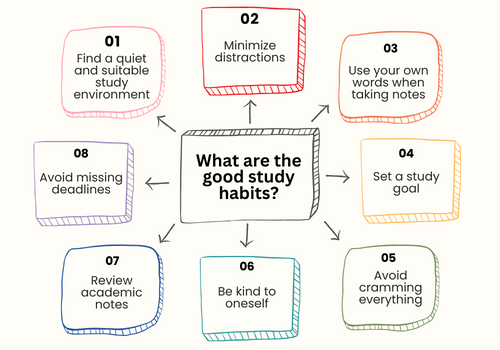

Modern students face more distractions, responsibilities, and academic pressure than ever before. Between school assignments, competitive examinations, social media, online classes, extracurricular activities, and personal responsibilities, many students feel constantly busy yet still struggle to study effectively. A common frustration among learners is the feeling that there is never enough time to complete everything properly.
However, learning faster is not always about studying for longer hours. In many cases, the problem is not lack of effort but poor time management. Students often spend large amounts of time in unproductive ways without realizing it. Distractions, disorganized schedules, multitasking, and last-minute studying can make learning slower, more stressful, and less effective.
Time management is one of the most important skills students can develop because it directly affects concentration, memory, academic performance, and mental well-being. Students who manage their time properly usually learn more efficiently, feel less overwhelmed, and maintain healthier study habits over the long term.
The ability to organize time effectively also prepares students for professional life. Workplaces, businesses, and careers increasingly require people to manage deadlines, priorities, and responsibilities independently. Students who develop strong time management habits early often adapt more successfully to adult life later.
Learning faster does not mean rushing through information carelessly. It means using time intelligently so the brain can focus, understand concepts deeply, and retain information more effectively.
Planning and Prioritization Help Students Focus Better
One of the biggest mistakes students make is studying without a clear plan. Many learners begin their day without deciding what they actually need to complete. As a result, they waste time switching between subjects, reacting to distractions, or repeatedly studying topics they already understand well.
Effective time management begins with planning. Students who organize their study schedules in advance usually perform better because they reduce confusion and mental stress. Planning helps learners divide large tasks into smaller, manageable sections, making studying feel less overwhelming.
Prioritization is equally important. Not all tasks require the same amount of attention or urgency. Some students spend too much time on easy or enjoyable subjects while avoiding difficult topics that need more focus. Smart learners identify weak areas honestly and allocate time according to importance rather than comfort.
Creating realistic study goals also improves efficiency. Many students make extremely ambitious schedules that become impossible to maintain. When plans fail repeatedly, frustration and procrastination often increase. Effective schedules are balanced and flexible rather than unrealistic.
Breaking study sessions into focused blocks of time is another useful technique. Long, continuous hours of studying often reduce concentration because the brain becomes mentally exhausted. Shorter, focused sessions with small breaks usually improve attention and memory retention. Students who study with intensity for manageable periods often learn faster than those who remain distracted during long study hours.
Avoiding multitasking is another essential habit. Many students believe they can study while checking social media, watching videos, or responding to messages. In reality, constant switching between tasks weakens concentration and slows learning significantly. The brain works more efficiently when attention is focused on one task at a time.
Digital distractions have become one of the biggest obstacles to effective learning. Smartphones, notifications, short-form videos, and social media platforms constantly compete for attention. Even brief interruptions can break concentration and reduce productivity. Students who control digital distractions during study time usually absorb information more effectively.
Another important technique is setting deadlines for tasks. Without clear time limits, students may spend excessive time on simple activities while postponing more important work. Personal deadlines create structure and help prevent procrastination.
Reviewing progress regularly also improves time management. Students who reflect on how they spend their time often identify patterns of distraction or inefficiency they previously ignored. Small adjustments in daily routines can create significant improvements over time.
Consistency and Healthy Routines Improve Learning Speed
Many students rely heavily on last-minute studying, especially before examinations. While cramming may sometimes produce temporary results, it usually increases stress and weakens long-term memory. The brain absorbs information more effectively through regular, consistent learning rather than sudden bursts of extreme effort.
Consistency is one of the most powerful time management strategies because it reduces mental pressure over time. Students who study a little every day often understand concepts more deeply than those who study intensely only during emergencies.
Daily routines help train the brain for focused learning. Studying at similar times regularly creates habits that improve concentration naturally. Over time, the mind becomes more prepared for learning during scheduled study periods.
Sleep is another major factor students frequently ignore. Some learners sacrifice sleep believing extra study hours will improve results. However, lack of sleep damages memory, concentration, and decision-making ability. A tired brain learns more slowly and forgets information more quickly.
Healthy routines support faster learning because the brain functions best when properly rested and energized. Exercise, hydration, nutrition, and mental breaks all influence academic performance more than many students realize.
Mental exhaustion is a serious issue in modern education systems. Students who study continuously without rest often experience burnout, anxiety, and declining motivation. Effective time management includes recovery time because rest improves focus and creativity.
Students also learn faster when they avoid perfectionism. Some learners spend excessive amounts of time trying to create perfect notes, perfect schedules, or perfect assignments. While quality matters, perfectionism often creates unnecessary delays and stress. Progress usually matters more than perfection in long-term learning.
Active learning techniques also improve efficiency. Passive reading and highlighting notes may feel productive, but they often create weak understanding. Students who solve problems, test themselves, teach concepts to others, or explain ideas in their own words usually retain information much faster.
Using smaller gaps of time effectively can also improve productivity. Short periods between classes or activities can be used for quick revision instead of endless scrolling on phones. Small daily habits accumulate into major learning improvements over time.
Many successful students also understand the importance of saying no to unnecessary distractions. Time management is not only about scheduling study sessions. It is also about protecting attention from activities that waste energy without adding value.
Motivation becomes more stable when routines are organized properly. Students who constantly feel behind schedule often experience stress and guilt, which reduce concentration further. Structured routines create a greater sense of control and confidence.
Time Management Skills Prepare Students for Long-Term Success
The benefits of time management extend far beyond academic performance. Students who learn how to organize their time effectively often carry these habits into professional and personal life. Careers, relationships, financial responsibilities, and health all require good time management in adulthood.
Modern workplaces especially value employees who can manage deadlines independently and prioritize tasks efficiently. Many jobs now involve remote work, flexible schedules, and self-directed responsibilities. Students who develop discipline and organization early are usually better prepared for these environments.
Time management also improves mental health. Constant rushing, procrastination, and academic pressure create anxiety for many students. Organized routines reduce unnecessary stress because students feel more prepared and in control of their responsibilities.
Confidence grows when students manage time successfully. Completing tasks consistently creates a sense of achievement that improves motivation and self-belief. On the other hand, repeated procrastination often damages confidence because students begin feeling incapable or overwhelmed.
Another important advantage is balance. Students who manage time effectively usually create more space for hobbies, exercise, social interaction, and personal interests. This balance improves overall well-being and prevents education from becoming emotionally exhausting.
The rapid growth of digital learning has made time management even more important. Online education provides flexibility, but it also requires greater self-discipline. Without structured classroom environments, students must manage schedules independently to avoid distraction and procrastination.
Artificial intelligence and modern technology may continue changing education in the future, but focused attention and disciplined learning habits will remain valuable. Information is becoming easier to access, yet concentration is becoming harder to maintain. Students who manage their time and attention wisely may have a significant advantage in increasingly distracted environments.
Learning faster ultimately depends less on natural intelligence and more on effective habits. Many students waste energy trying to study harder when they actually need better systems and routines. Smart time management allows learners to study with greater focus, lower stress, and stronger understanding.
Success in education is not only about how many hours students spend studying. It is about how effectively those hours are used. Students who learn how to plan carefully, focus deeply, maintain healthy routines, and study consistently often achieve better results with less stress and greater long-term confidence.
As academic competition continues increasing worldwide, time management may become one of the most valuable skills students can develop not only for exams, but for lifelong learning and future professional success.