
Reading has always been one of the most powerful tools for human growth. Long before the internet and digital technology existed, books were the primary way people shared knowledge, ideas, history, and imagination across generations. Even today, in a world dominated by smartphones, short videos, and social media, reading remains deeply connected to learning, creativity, and intellectual development.
However, modern reading habits are changing rapidly. Many people consume information through short online posts, headlines, or quick summaries rather than deep reading. Attention spans are becoming shorter, and distractions are everywhere. As a result, consistent reading habits are becoming less common among students and young adults in many parts of the world.
At the same time, those who maintain strong reading habits often gain important advantages in learning and creative thinking. Reading does far more than improve language skills. It strengthens concentration, expands imagination, increases knowledge, improves communication, and develops the ability to think critically and independently.
Unlike passive entertainment, reading requires active mental engagement. The brain must process ideas, visualize information, understand emotions, connect concepts, and interpret meaning continuously. This mental exercise improves cognitive ability in ways that many other forms of content consumption cannot easily match.
Reading also exposes people to different cultures, perspectives, experiences, and ways of thinking. It allows individuals to explore worlds beyond their immediate surroundings and understand ideas they may never encounter in daily life. This broader understanding contributes directly to both learning ability and creativity.
In a rapidly changing world where knowledge and innovation are increasingly valuable, strong reading habits may become one of the most important foundations for lifelong intellectual growth.
Reading Strengthens Focus, Memory, and Learning Skills
One of the biggest benefits of reading is its effect on concentration. Modern digital environments constantly compete for attention through notifications, short videos, advertisements, and endless scrolling. Many people now struggle to focus deeply for extended periods because their minds have become accustomed to quick stimulation.
Reading trains the brain to maintain attention for longer durations. When people read books, articles, or long-form content carefully, they practice sustained focus. This ability improves learning because concentration is essential for understanding and retaining information effectively.
Students with strong reading habits often develop better comprehension skills as well. Reading regularly exposes the brain to complex ideas, sentence structures, and patterns of reasoning. Over time, this strengthens the ability to process information quickly and understand difficult concepts more easily.
Vocabulary growth is another major advantage. Readers naturally encounter new words, expressions, and styles of communication across different types of texts. This improves not only language ability but also overall confidence in speaking and writing.
Memory also benefits from reading. While reading, the brain continuously remembers characters, arguments, facts, themes, and connections between ideas. This repeated mental activity strengthens memory-related functions over time.
Reading encourages active learning instead of passive information consumption. When students read deeply, they ask questions, imagine situations, and connect new ideas with previous knowledge. This process improves long-term understanding far more effectively than simply memorizing information for examinations.
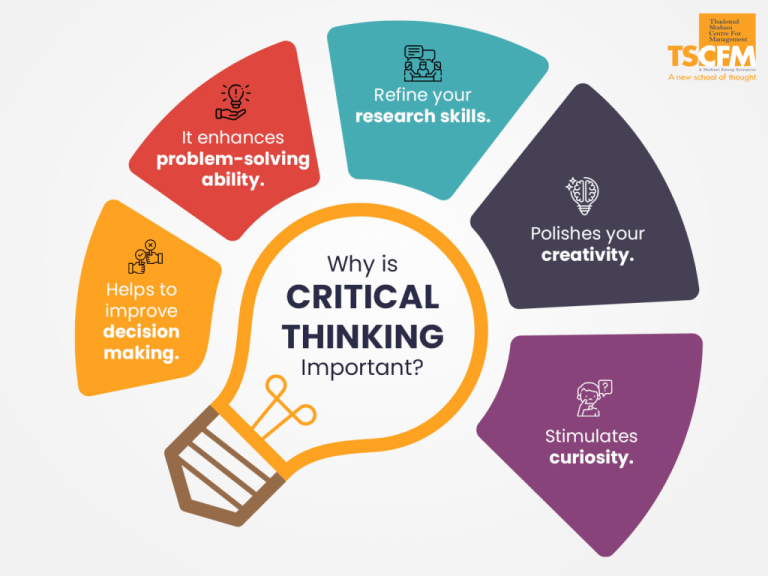
Critical thinking develops naturally through reading as well. Readers learn to evaluate arguments, identify patterns, compare perspectives, and analyze ideas independently. Fiction and non-fiction both contribute to this growth in different ways.
Non-fiction reading increases knowledge about history, science, psychology, politics, philosophy, business, and countless other subjects. Fiction, meanwhile, improves emotional understanding, imagination, empathy, and interpretation of human behavior.
People who read widely usually become more curious learners. Reading introduces new interests and encourages exploration beyond formal education systems. A student may begin reading about technology, history, economics, or creativity simply out of curiosity and eventually discover career interests or lifelong passions.
Academic performance often improves because reading strengthens multiple learning-related abilities simultaneously. Students who read regularly generally develop better writing skills, stronger analytical thinking, and improved comprehension across subjects.
Another important benefit is patience. Reading requires mental discipline because understanding deep ideas takes time and reflection. In contrast to instant digital entertainment, reading encourages slower and more thoughtful engagement with information.
This patience becomes valuable in education and professional life because meaningful learning rarely happens instantly. People who are comfortable with deep reading often handle complex subjects more effectively than those accustomed only to fast and fragmented content.
Reading Expands Imagination and Enhances Creative Thinking
Creativity is often misunderstood as a natural talent possessed only by artists or highly imaginative individuals. In reality, creativity is strongly connected to exposure, curiosity, and the ability to connect ideas in new ways. Reading plays a major role in developing these abilities.
When people read, especially fiction, the brain creates mental images and emotional experiences internally. Unlike movies or videos that present visuals directly, reading forces imagination to participate actively. Readers visualize environments, characters, conversations, and emotions using their own minds.
This mental activity strengthens creative thinking because imagination becomes more flexible and detailed over time. Creative individuals often draw inspiration from ideas, stories, perspectives, and experiences they encountered through reading.
Reading also exposes people to different styles of thinking. Authors from various cultures and backgrounds approach problems, emotions, and storytelling differently. This diversity broadens intellectual perspective and encourages original thinking.
Innovation often happens when people combine ideas from multiple fields. A business entrepreneur may gain inspiration from psychology, history, or literature. A designer may learn storytelling techniques from novels. A scientist may approach problems creatively because of philosophical or imaginative influences.
Reading creates these intellectual connections by introducing readers to ideas beyond their immediate environment. People who read widely usually have access to larger mental libraries of concepts and experiences, which supports creativity in both personal and professional life.
Empathy is another important part of creativity that reading strengthens. Stories allow readers to understand different emotions, struggles, motivations, and human experiences. This emotional understanding improves communication, collaboration, and artistic expression.
Creative problem-solving also improves through reading because readers encounter different perspectives and situations regularly. They learn that problems can often be approached from multiple angles instead of relying on fixed solutions.
Writers, filmmakers, entrepreneurs, researchers, and innovators throughout history have often been strong readers because reading feeds imagination continuously. It introduces fresh ideas and prevents thinking from becoming narrow or repetitive.
Reading also improves storytelling ability, which has become increasingly valuable in modern careers. Marketing, leadership, teaching, branding, and public speaking all depend heavily on communication and narrative skills. People who read regularly often express ideas more effectively because they understand language and structure more deeply.
Digital content can provide information quickly, but deep reading encourages reflection and imagination in ways that fast online consumption often does not. Endless scrolling may provide stimulation, but it rarely creates the same intellectual depth or creative engagement as thoughtful reading.
Another major advantage is intellectual independence. Readers learn how to spend time thinking quietly and independently rather than depending constantly on external entertainment or social media validation. This independent mental space often becomes the foundation for original ideas and personal creativity.
Building Reading Habits in a Distracted World Is Becoming More Important
Despite its many benefits, maintaining reading habits has become increasingly difficult in modern digital culture. Smartphones, streaming platforms, social media, and short-form content constantly compete for attention. Many people find it challenging to focus on books or long articles because their minds are accustomed to rapid stimulation.
However, this is exactly why reading habits are becoming even more valuable. In a world full of distractions, the ability to focus deeply and think independently may become a major advantage in education, careers, and personal growth.
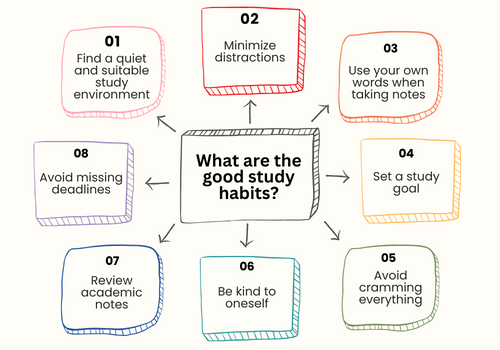
Building reading habits does not necessarily require reading large books immediately. Small daily reading routines often create lasting results over time. Even reading for twenty or thirty minutes regularly can strengthen concentration and intellectual curiosity gradually.
Choosing enjoyable material is also important. Many students associate reading only with academic pressure because they rarely explore books related to personal interests. Reading becomes easier to maintain when people genuinely enjoy the topics they explore.
Variety also helps. Fiction, biographies, history, psychology, science, business, philosophy, and creative writing all contribute differently to intellectual development. Reading across different subjects creates broader understanding and stronger creative connections.
Physical books, e-books, and audiobooks all provide opportunities for learning, although deep reading with focused attention usually produces the strongest cognitive benefits. The key factor is thoughtful engagement rather than simply consuming information quickly.
Parents and educational systems also influence reading habits significantly. Children who grow up around books and discussions about ideas often develop stronger curiosity and imagination naturally. Encouraging reading as exploration rather than obligation can create healthier relationships with learning.
The rise of artificial intelligence and automation may make human creativity and critical thinking even more valuable in the future. Machines can process information rapidly, but imagination, emotional understanding, storytelling, and original thinking remain deeply human strengths. Reading helps develop all of these abilities.
Strong reading habits ultimately improve more than academic performance. They shape how people think, communicate, imagine, and understand the world. Readers often become better learners because they develop patience, concentration, curiosity, and analytical ability simultaneously.
Creativity also grows because reading continuously introduces fresh perspectives, emotions, and possibilities. The mind becomes more flexible, open, and capable of generating original ideas.
In a fast-moving world where attention is constantly divided, reading remains one of the few activities that encourages deep thought and meaningful intellectual growth. People who continue reading consistently may not only learn more effectively, but also develop richer imagination, stronger communication skills, and greater ability to adapt creatively throughout life.