
The way people build careers is changing rapidly across the world. A few decades ago, most students believed that success depended mainly on earning a traditional degree and securing a stable office job. Today, technology, remote work, freelancing, and digital businesses have completely transformed professional opportunities. Many high-paying careers no longer require expensive formal education or relocation to major cities. Instead, practical skills and the ability to learn independently are becoming more valuable than ever.
One of the biggest advantages students have today is access to the internet. A smartphone, laptop, and stable connection can now provide access to courses, tutorials, mentorship, and professional communities from almost anywhere in the world. This has made it possible for students to start learning valuable skills directly from home, often while continuing school or college education.
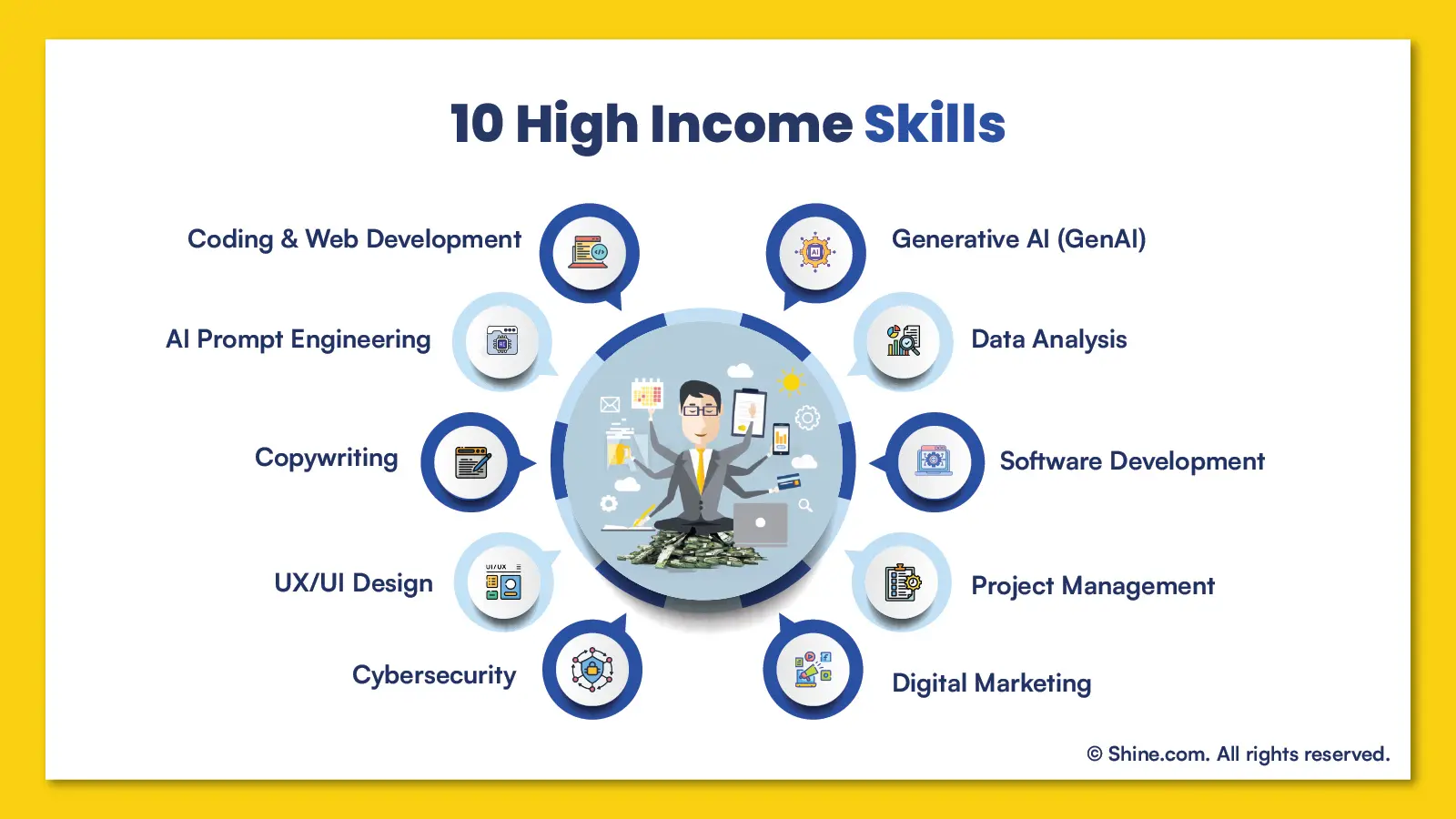
High-income skills are abilities that companies, clients, and businesses are willing to pay well for because they solve important problems or create measurable value. Unlike basic academic memorization, these skills often lead to freelance opportunities, remote jobs, entrepreneurship, or long-term career growth.
The demand for practical digital skills has increased because businesses globally are moving online. Companies need websites, marketing strategies, content creation, software development, video production, customer engagement, and data analysis to remain competitive. As a result, students who begin learning these skills early may gain a significant advantage before graduation.
However, learning high-income skills is not only about earning money quickly. It also helps students become more independent, adaptable, and prepared for a rapidly changing job market where continuous learning is becoming essential.
Digital and Technical Skills Are Creating New Career Opportunities
One of the most popular high-income skills students can start learning from home is programming and software development. The technology industry continues growing globally, and businesses increasingly depend on websites, mobile apps, automation systems, and digital platforms. Students who learn coding can explore careers in web development, app development, software engineering, cybersecurity, and artificial intelligence.
Programming is attractive because learners can practice independently and build real projects while studying. Many developers start by creating simple websites or applications before moving into advanced areas. Employers often value practical portfolios and problem-solving ability more than formal degrees alone in technology-related fields.
Data analysis is another growing skill with strong earning potential. Modern businesses collect large amounts of information and need professionals who can organize, interpret, and use that data effectively. Students who learn spreadsheets, data visualization, statistics, and analytical tools may find opportunities across industries such as finance, healthcare, marketing, and technology.
Artificial intelligence skills are becoming increasingly valuable as well. Understanding AI tools, automation systems, and machine learning concepts can help students prepare for future careers that are likely to expand significantly over the next decade. Even basic knowledge of AI-assisted workflows can improve productivity and employability.
Digital marketing is another high-demand field students can learn from home. Businesses now rely heavily on online visibility to attract customers, making skills like search engine optimization, social media marketing, email marketing, paid advertising, and content strategy extremely valuable.
One reason digital marketing appeals to students is that it combines creativity with business understanding. Learners can practice by managing small projects, creating content, or growing online audiences. Freelancing opportunities are also widely available for skilled marketers.
Content writing has become another important online skill. Companies, blogs, media platforms, and businesses constantly need articles, scripts, website content, newsletters, and marketing copy. Students who develop strong writing skills can work remotely for global clients or build personal publishing platforms.
Video editing and content production are also rapidly growing because digital media consumption continues increasing worldwide. Social media platforms, online education, advertising, and entertainment industries all require video content. Students who learn editing software, storytelling, and production techniques may find freelance or full-time opportunities in multiple industries.
Graphic design is another practical skill with strong earning potential. Businesses need logos, branding materials, advertisements, social media graphics, presentations, and website designs regularly. Creative students can start learning design principles and software tools from home while gradually building portfolios.
The growth of the creator economy has made these skills even more valuable. YouTubers, influencers, online educators, and digital entrepreneurs often build entire businesses using combinations of writing, editing, design, and marketing skills learned independently.
Communication and Business Skills Are Equally Important for Long-Term Success
While technical skills are valuable, communication-based skills are becoming just as important in high-income careers. Many students focus only on learning software or technical systems but overlook the importance of communication, sales, and relationship-building abilities.
Copywriting is one example of a communication skill with strong income potential. Businesses constantly need persuasive writing for advertisements, product pages, emails, and marketing campaigns. Skilled copywriters help companies increase sales and customer engagement through language.
Public speaking and presentation skills are also becoming increasingly valuable. Professionals who can explain ideas clearly, lead discussions confidently, and communicate effectively often progress faster in their careers. Remote work and digital communication platforms have increased the importance of these abilities globally.
Sales skills remain among the highest-income abilities across industries because businesses survive through revenue generation. Learning negotiation, persuasion, and customer communication can help students not only in jobs but also in entrepreneurship and freelancing.
Entrepreneurship itself has become more accessible because digital platforms reduce startup costs significantly. Students can now launch blogs, online stores, content channels, or service-based businesses directly from home. Learning business fundamentals such as branding, audience building, financial management, and customer service can create long-term opportunities beyond traditional employment.
Foreign language skills can also become highly valuable in global markets. Translation, international customer support, teaching, tourism, and multinational business operations often require multilingual professionals. Students who learn additional languages may gain access to wider career opportunities.
Project management is another underrated skill that companies increasingly value. As businesses become more collaborative and remote, professionals who can organize workflows, manage deadlines, coordinate teams, and solve problems efficiently often become essential to organizations.
Financial literacy is equally important for students learning high-income skills. Earning money online or through freelancing requires understanding savings, taxes, investments, pricing, and budgeting. Many talented individuals struggle financially because they lack basic financial management knowledge.
Networking skills also play a major role in long-term success. Students who learn how to build professional relationships respectfully often gain access to mentorship, collaborations, and job opportunities. Digital platforms now allow people to connect globally with professionals and communities in their fields of interest.
Another important factor is adaptability. High-income skills evolve quickly because technology and industries change constantly. Students who remain curious and willing to update their knowledge regularly usually perform better over time than those who depend only on fixed expertise.
Self-Discipline and Continuous Learning Matter More Than Fast Results
One of the biggest misconceptions about high-income skills is the belief that they lead to instant success. Social media often promotes unrealistic stories about quick earnings and overnight achievements, causing many students to expect immediate financial results. In reality, most valuable skills require patience, practice, and long-term consistency.
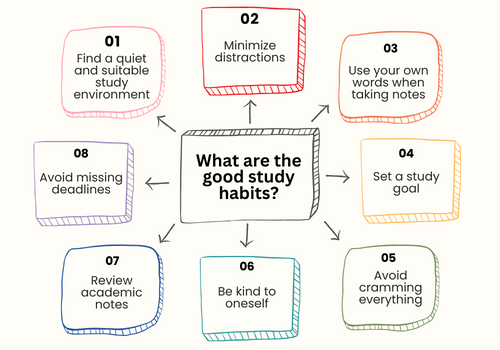
Learning from home gives students flexibility, but it also requires strong self-discipline. Without classroom systems or direct supervision, many learners struggle with procrastination and distraction. The internet offers unlimited educational opportunities, but it also creates constant interruptions through entertainment and social media.
Successful self-learners usually focus on consistency rather than intensity. Studying a skill regularly for several months often produces better results than short periods of extreme motivation followed by long gaps. Small daily improvements gradually build strong competence over time.
Building real projects is another important part of skill development. Watching tutorials alone is rarely enough. Students learn faster when they apply knowledge practically by creating websites, writing articles, editing videos, designing graphics, or managing digital campaigns themselves.
Portfolios are becoming more important than certificates in many fields. Employers and clients increasingly want proof of ability rather than only academic qualifications. Students who start building projects early often gain confidence and practical experience before entering professional environments.
Failure and slow progress are natural parts of learning high-income skills. Many beginners quit because they compare themselves with experienced professionals too quickly. However, almost every successful freelancer, entrepreneur, or digital professional started as a beginner with limited knowledge.
Continuous learning has become one of the most valuable habits in modern careers. Technology changes rapidly, and skills that are profitable today may evolve significantly in the future. Students who develop curiosity and adaptability are usually better prepared for long-term success.
Artificial intelligence is already transforming many industries, but it is also creating new opportunities. Students who learn how to work alongside AI tools instead of fearing them may gain significant advantages in future workplaces. Human creativity, communication, leadership, and problem-solving will likely remain highly valuable even as automation increases.
High-income skills ultimately provide more than financial opportunities. They help students become independent thinkers, problem-solvers, and lifelong learners. In a world where career paths are becoming less predictable, the ability to learn valuable skills from home can create flexibility and resilience that traditional education alone may not always provide.
As industries continue evolving and remote opportunities expand globally, students who begin learning practical, adaptable skills early may position themselves for stronger career growth, greater freedom, and long-term professional stability in the years ahead.