
Education has always evolved alongside technology. From printed textbooks to computers and online learning platforms, every major technological shift has changed how students learn and how teachers teach. Today, artificial intelligence is becoming one of the most powerful forces shaping modern education across the world.
Artificial intelligence, often called AI, is no longer limited to science fiction or advanced research laboratories. It is now part of everyday life. Students use AI tools to summarize lessons, solve problems, practice languages, generate study notes, and receive instant explanations for difficult topics. Teachers use AI to organize classrooms, evaluate assignments, and personalize learning experiences. Educational institutions are beginning to integrate AI into digital learning systems, assessments, and academic support services.
This transformation is happening rapidly because AI has the ability to process information, recognize patterns, and respond to users in ways that feel increasingly interactive and personalized. Unlike traditional educational systems that often follow the same method for all students, AI-based tools can adapt learning experiences according to individual strengths, weaknesses, and learning speed.
At the same time, the rise of AI in education has also created important discussions about critical thinking, creativity, academic honesty, and the future role of teachers. While AI offers remarkable opportunities, it also introduces challenges that educational systems must learn to manage carefully.
The growing influence of artificial intelligence is changing not only how people study, but also how societies think about learning itself.
AI Is Making Learning More Personalized and Accessible
One of the biggest advantages of artificial intelligence in education is personalization. Traditional classrooms often struggle to meet the needs of every student equally because learners understand concepts at different speeds and in different ways. Some students grasp topics quickly, while others need additional explanation and practice.
AI tools can help address this challenge by adapting learning experiences according to individual needs. Students can now receive customized explanations, practice exercises, and feedback based on their performance levels. If a learner struggles with mathematics, language skills, or science concepts, AI systems can provide extra guidance and targeted support.
This flexibility makes learning more efficient because students no longer need to depend entirely on one teaching style or classroom pace. Learners can study at times that suit them best and revisit difficult topics repeatedly without embarrassment or pressure.
Language learning is one area where AI has already created major improvements. Students can practice pronunciation, grammar, vocabulary, and conversation through interactive systems that provide immediate corrections and suggestions. This kind of instant feedback was once difficult to access without private tutors or expensive programs.
AI is also improving accessibility for students with disabilities. Speech-to-text tools, text-to-speech systems, real-time translation, and adaptive learning technologies help learners participate more effectively regardless of physical or language barriers. Educational content is becoming more inclusive because AI can adjust presentation methods according to different needs.
Students living in remote areas or regions with limited educational infrastructure also benefit from AI-powered learning tools. Access to quality education has historically depended heavily on geography and financial background. AI-supported online education platforms are helping reduce these barriers by making learning resources available globally.
Another major advantage is the availability of instant academic support. Earlier, students often had to wait for classroom sessions or tutoring appointments to solve doubts. Now, AI tools can provide explanations and examples almost immediately. This helps maintain learning momentum and reduces frustration during self-study.
Teachers also benefit from AI in several ways. Administrative tasks such as grading objective assignments, organizing schedules, and tracking student progress can be automated partially, allowing educators to spend more time on teaching and mentorship.
AI-powered analytics can help teachers identify struggling students earlier by analyzing learning patterns and performance data. Instead of relying only on examination scores, educators can monitor progress continuously and provide support before problems become severe.
The flexibility created by AI has become especially important in online and hybrid learning environments. Educational systems worldwide are increasingly combining traditional classrooms with digital tools, and AI is helping make these transitions smoother and more interactive.
Artificial Intelligence Is Changing the Role of Students and Teachers
The rise of AI is also changing what it means to be a student in the modern world. Earlier, education focused heavily on memorization because information was difficult to access quickly. Today, AI tools can generate summaries, explanations, and answers within seconds. This means the value of education is gradually shifting from memorizing information to understanding how to use knowledge effectively.
Critical thinking is becoming more important because students must now evaluate information carefully instead of accepting everything generated by technology automatically. AI tools can sometimes provide inaccurate, incomplete, or biased responses. Learners therefore need analytical skills to verify information and make independent judgments.
This shift is changing classroom priorities. Skills such as problem-solving, creativity, communication, collaboration, and adaptability are gaining greater importance because they are more difficult to automate completely. Educational systems are slowly recognizing that future success may depend less on memorization and more on human-centered abilities.
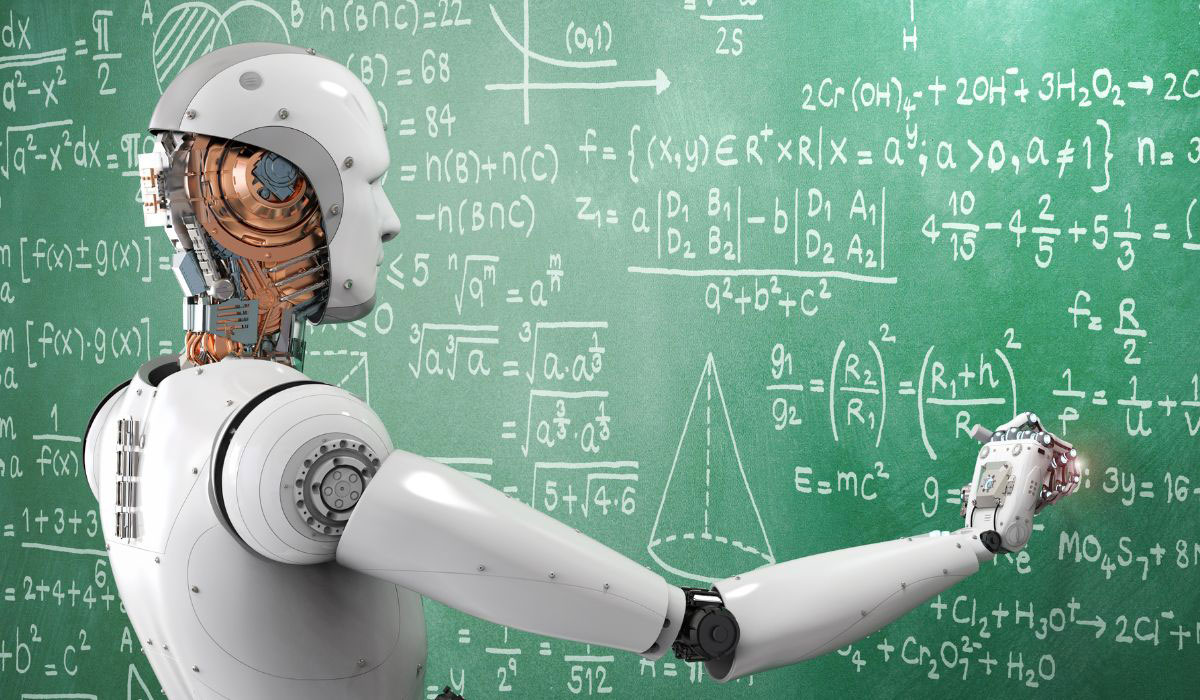
Teachers are also experiencing major changes in their professional roles. AI is unlikely to replace teachers entirely because education involves emotional understanding, mentorship, motivation, and human interaction that technology cannot fully replicate. However, the role of educators may evolve significantly.
Instead of acting mainly as information providers, teachers may increasingly become guides, facilitators, and mentors who help students think critically and apply knowledge effectively. AI can assist with routine tasks, but human teachers remain essential for emotional support, ethical guidance, creativity, and social development.
Classroom experiences may also become more interactive because AI tools can support simulations, personalized exercises, and real-time feedback systems. Students can experiment with ideas more independently instead of depending only on lectures and textbooks.
At the same time, AI raises concerns about academic honesty. Many students now use AI tools to complete assignments, write essays, or solve homework problems. This creates debates about plagiarism, originality, and genuine learning. Educational institutions are still trying to determine how to balance technological assistance with authentic skill development.
Some experts worry that overdependence on AI may weaken independent thinking and creativity if students begin relying entirely on automated systems for answers. If learners stop analyzing problems themselves, critical reasoning abilities may decline over time.
Attention span and concentration are also becoming concerns in digital learning environments. Constant access to instant answers can reduce patience and deep learning habits. Students may become accustomed to quick summaries instead of developing the discipline required for detailed study and long-term understanding.
Another challenge is inequality in access to technology. While AI has the potential to democratize education, not all students have equal access to high-speed internet, modern devices, or advanced learning platforms. Without proper support, technological gaps may continue affecting educational opportunities globally.
The Future of Education Will Likely Combine Human Teaching With AI Support
Artificial intelligence is still developing rapidly, and its influence on education will likely expand significantly in the coming years. Future classrooms may look very different from traditional systems that depended mainly on lectures, printed textbooks, and standardized teaching methods.
Personalized education could become more common as AI systems improve their ability to understand individual learning patterns. Students may receive customized study plans, adaptive assessments, and targeted feedback designed specifically for their strengths and weaknesses.
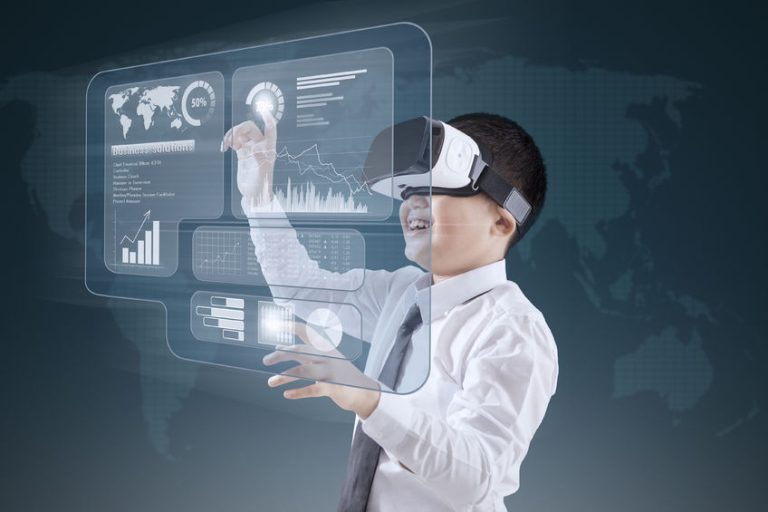
Virtual reality, augmented reality, and AI-powered simulations may also make education more immersive. Students could explore historical events, scientific experiments, or medical procedures through interactive digital experiences rather than only reading about them theoretically.
Lifelong learning is likely to become even more important because AI and automation are transforming industries continuously. Workers may need to upgrade skills regularly throughout their careers, and AI-supported education systems can help provide flexible learning opportunities for adults as well as students.
Career preparation may also change significantly. As automation handles repetitive tasks, future jobs may prioritize creativity, emotional intelligence, leadership, ethical reasoning, and advanced problem-solving. Educational systems will likely place greater emphasis on these human skills because they remain difficult for AI to replace fully.
However, the future of AI in education will depend heavily on how responsibly technology is used. AI should ideally support human learning rather than replace independent thinking completely. Students must still develop curiosity, discipline, critical reasoning, and creativity because these qualities remain essential for meaningful education.
Ethics will also become increasingly important. Questions about privacy, data security, algorithmic bias, and responsible AI usage are already emerging. Educational institutions must ensure that technology serves students fairly and transparently.
Parents and teachers will likely play important roles in helping students use AI wisely. Young learners need guidance on balancing technology with genuine understanding and human interaction. Education is not only about information transfer. It also involves emotional growth, social skills, empathy, and character development.
Artificial intelligence is ultimately a tool, and like any tool, its impact depends on how people choose to use it. Used thoughtfully, AI can make education more accessible, flexible, personalized, and efficient. It can help students learn faster, support teachers more effectively, and create opportunities for people who previously lacked access to quality education.
At the same time, education must continue encouraging independent thought, creativity, and human connection. The goal should not be to replace human learning with machines, but to combine technology with human intelligence in ways that strengthen education overall.
As AI continues evolving, the future of learning will likely involve collaboration between technology and human guidance rather than competition between the two. Students who learn how to use AI responsibly while maintaining strong critical thinking and creativity may be best prepared for the rapidly changing world ahead.