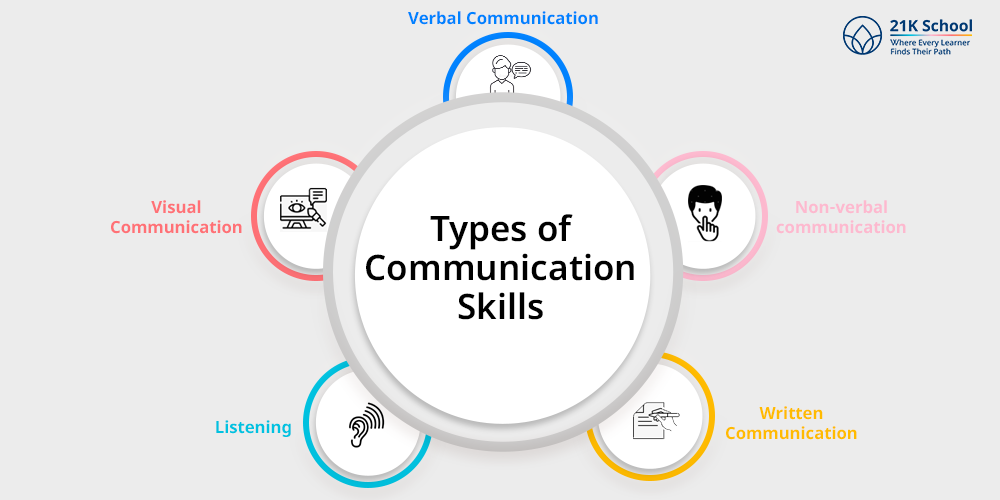
For many years, professional success was mainly associated with technical knowledge and academic qualifications. Students were encouraged to focus heavily on marks, degrees, and subject expertise because these were considered the primary paths to stable careers. While technical ability still remains important, the modern workplace has changed significantly. Today, communication skills are becoming just as valuable as professional knowledge in almost every industry.
The ability to express ideas clearly, listen carefully, understand people, and communicate effectively has become essential in a world that is more connected, digital, and collaborative than ever before. Whether someone works in technology, healthcare, education, business, engineering, design, law, or customer service, communication now influences performance, career growth, teamwork, and leadership opportunities.
Many highly skilled professionals struggle in their careers not because they lack knowledge, but because they cannot communicate effectively. At the same time, individuals with strong communication abilities often create better relationships, solve problems more efficiently, and advance faster professionally.
The rise of remote work, global business environments, digital communication platforms, and multicultural teams has increased the importance of communication even further. Employees are no longer working only with people from the same office or region. They are interacting with clients, colleagues, and audiences from different backgrounds, cultures, and countries.
As workplaces continue evolving, communication skills are no longer viewed as optional personality traits. They are becoming fundamental professional abilities that affect nearly every aspect of modern work life.
Strong Communication Improves Collaboration, Leadership, and Career Growth
One of the main reasons communication skills are becoming essential is that modern workplaces depend heavily on collaboration. Very few professions today operate entirely in isolation. Most jobs involve teamwork, discussions, presentations, meetings, negotiations, or client interactions in some form.
Even highly technical professions require communication. A software developer may need to explain technical problems to non-technical managers. A doctor must communicate clearly with patients and healthcare teams. Engineers often work on collaborative projects where misunderstandings can lead to costly mistakes. Teachers, marketers, designers, and business professionals all depend on communication daily.
Clear communication improves teamwork because it reduces confusion and increases efficiency. Employees who explain ideas properly help projects move smoothly and prevent unnecessary misunderstandings. On the other hand, poor communication can create delays, frustration, and workplace conflict even when technical work is strong.
Leadership also depends heavily on communication ability. A manager who cannot explain goals clearly or listen to employees effectively may struggle to lead teams successfully. Strong leaders motivate people through communication. They inspire confidence, resolve conflicts, provide guidance, and build trust through the way they interact with others.
This is one reason communication skills often influence promotions and career advancement. Many organizations prefer employees who can represent teams, interact professionally with clients, and contribute positively to workplace culture. Technical expertise may help someone enter a profession, but communication often influences long-term growth.
Confidence is closely connected to communication as well. People who can express themselves clearly during interviews, meetings, or presentations usually appear more capable and prepared. This confidence affects how others perceive their competence, even when technical skills are similar.
The global nature of modern business has increased the importance of cross-cultural communication too. Companies now work with international clients, remote employees, and multicultural teams regularly. Understanding different communication styles, listening respectfully, and adapting language appropriately are becoming valuable professional strengths.
Digital communication has introduced additional challenges and opportunities. Emails, video calls, instant messaging platforms, and remote collaboration tools now play major roles in professional life. Writing clearly and professionally has become more important because much workplace communication happens through text rather than face-to-face conversations.
Miscommunication in digital environments can create serious problems. A poorly written email, unclear instruction, or misunderstood message can affect entire projects. Employees who communicate thoughtfully online are often more effective in remote and hybrid work environments.
Communication also affects networking opportunities. Building professional relationships depends largely on how people interact with others. Many career opportunities emerge through conversations, recommendations, and professional connections rather than qualifications alone.
Communication Skills Influence Problem-Solving and Workplace Relationships
Another reason communication skills matter so much today is their direct connection to problem-solving. Most workplace problems cannot be solved through technical ability alone. They often require discussion, negotiation, collaboration, and emotional understanding.
Employees who communicate effectively are usually better at handling disagreements and resolving conflicts calmly. Workplace tensions are natural because people have different personalities, expectations, and working styles. Strong communication helps prevent small misunderstandings from becoming larger problems.
Listening is one of the most overlooked communication skills. Many people focus mainly on speaking confidently but forget that understanding others is equally important. Good listeners build stronger relationships because they make people feel respected and understood.
In customer-facing professions, communication becomes even more critical. Customers remember not only products or services, but also how they were treated. Businesses increasingly value employees who can interact politely, explain solutions clearly, and handle complaints professionally.
Healthcare provides a strong example of this. A doctor with excellent medical knowledge may still struggle if patients feel confused, ignored, or misunderstood. Effective communication improves trust, reduces anxiety, and helps patients follow treatment instructions more accurately.
Education also depends heavily on communication quality. Great teachers are not only knowledgeable but also skilled at explaining ideas in ways students understand. The ability to simplify complex concepts and engage learners often matters more than expertise alone.
Emotional intelligence plays an important role in communication as well. Understanding emotions, empathy, and interpersonal sensitivity help professionals manage difficult situations more effectively. Workplaces are becoming more aware of mental health, employee well-being, and inclusive environments, making emotionally intelligent communication increasingly valuable.
Communication also shapes professional reputation. People who communicate respectfully and professionally often build stronger trust within organizations. Over time, colleagues and managers may see them as reliable, cooperative, and leadership-oriented individuals.
The rise of content creation and personal branding has added another dimension to professional communication. Many careers now involve public visibility through social media, presentations, webinars, or online platforms. Professionals who communicate effectively online can build stronger personal brands and reach larger audiences.
Artificial intelligence and automation are also changing workplace expectations. As machines handle more repetitive technical tasks, human-centered skills such as communication, creativity, and emotional understanding become more valuable. Employers increasingly seek qualities that technology cannot easily replace.
Communication Is Becoming a Lifelong Professional Advantage
One important reality about communication skills is that they influence every stage of professional life. They affect interviews, workplace performance, leadership opportunities, networking, conflict resolution, and long-term career stability. Unlike some technical skills that may become outdated over time, communication remains valuable across industries and generations.
Students often underestimate communication because educational systems traditionally focus more on examinations than interpersonal ability. Many graduates enter professional environments with strong academic backgrounds but limited experience in presentations, public speaking, or professional interaction.
However, communication improves through practice. People become stronger communicators by participating in discussions, giving presentations, writing regularly, listening actively, and interacting with diverse groups of people. Confidence usually develops gradually through experience rather than natural talent alone.
The fear of public speaking remains one of the most common professional anxieties worldwide. Many capable individuals avoid leadership roles or career opportunities because they feel uncomfortable expressing themselves publicly. Learning communication skills early can help overcome these limitations.
Remote work has also increased the need for intentional communication. In physical offices, body language and informal conversations help people understand each other more easily. In remote environments, clarity becomes more important because misunderstandings happen more quickly without face-to-face interaction.
Communication is also closely tied to adaptability. As industries evolve, professionals frequently need to explain new ideas, learn unfamiliar systems, and collaborate with changing teams. Those who communicate effectively often adjust more smoothly during transitions.
Another important factor is trust. Strong communication builds trust between employees, employers, customers, and organizations. Trust improves teamwork, productivity, and workplace morale. People generally prefer working with individuals who communicate honestly, respectfully, and clearly.
Younger generations entering the workforce are also expected to manage both online and offline communication professionally. Social media behavior, digital etiquette, and online professionalism now influence career opportunities more than before. A person’s communication style increasingly shapes public and professional perception.
Communication does not mean speaking constantly or having an extroverted personality. Some of the best communicators are calm, thoughtful, and careful listeners. Effective communication is ultimately about clarity, understanding, empathy, and meaningful connection.
Technical knowledge may open professional doors, but communication often determines how far someone progresses afterward. As workplaces become more collaborative, digital, and globally connected, communication skills are turning into one of the most valuable long-term career assets a person can develop.
In the future, professionals who combine expertise with strong communication ability will likely have a significant advantage. They will not only understand their work well, but also know how to share ideas, lead people, build relationships, and adapt successfully in an increasingly interconnected world.
Leave a Reply