
Learning is often seen as a simple process of attending classes, reading books, and passing examinations. Many students spend years believing they are learning effectively because they complete assignments, memorize chapters, and score reasonably well in tests. However, real learning is much deeper than collecting marks or finishing syllabi. It is about understanding ideas, building skills, developing curiosity, and becoming capable of solving problems independently.
One of the biggest challenges in modern education is that students frequently make learning mistakes without even realizing it. These mistakes become habits over time, affecting academic performance, confidence, creativity, and long-term career growth. In many cases, students blame themselves for poor results without understanding that their study methods and mindset may be the actual problem.
The pressure to perform well in competitive educational systems has also created unhealthy learning patterns. Students often focus more on short-term exam success than genuine understanding. As a result, many learners become exhausted, distracted, and disconnected from the true purpose of education.
Recognizing these mistakes is important because effective learning is not about studying longer hours. It is about studying smarter, thinking critically, and creating habits that improve understanding over time.
Studying for Exams Instead of Understanding Concepts
One of the most common learning mistakes students make is focusing entirely on examinations rather than actual understanding. In many education systems, success is measured through marks, rankings, and test scores. Because of this, students often develop a habit of studying only what is necessary to pass exams.
This approach may produce short-term academic results, but it creates weak foundations. Many students memorize answers without understanding why concepts work the way they do. They may reproduce textbook definitions perfectly during exams, yet struggle to apply those ideas in real situations later.
For example, a student might memorize mathematical formulas without understanding their logic. During examinations, they can solve familiar questions, but when faced with slightly different problems, confusion appears immediately. The same happens in subjects like science, economics, and language learning. Memorization without understanding creates fragile knowledge that disappears quickly after exams are over.
Another issue is that students often ignore curiosity. Instead of asking questions and exploring topics deeply, they focus on predicted questions, shortcuts, and “important chapters.” This reduces learning to a mechanical process. Over time, students may lose interest in education entirely because studying begins to feel repetitive and stressful rather than meaningful.
Technology has also influenced this problem. Many learners now depend heavily on summary videos, quick notes, and exam-focused content. While these resources can be useful, excessive dependence on shortcuts weakens critical thinking. Students may feel productive because they consume large amounts of information quickly, but real understanding requires time, reflection, and practice.
Fear of failure also pushes students toward surface learning. Many avoid difficult topics because they are afraid of making mistakes. Instead of strengthening weak areas, they repeatedly revise comfortable subjects to feel confident. This creates gaps in knowledge that become larger over time.
True learning happens when students engage actively with concepts. Asking questions, discussing ideas, solving unfamiliar problems, and connecting lessons to real life create stronger understanding than passive memorization ever can. Students who focus on understanding usually perform better in the long run because they can adapt their knowledge to new situations.
Mistaking Busy Study Routines for Effective Learning
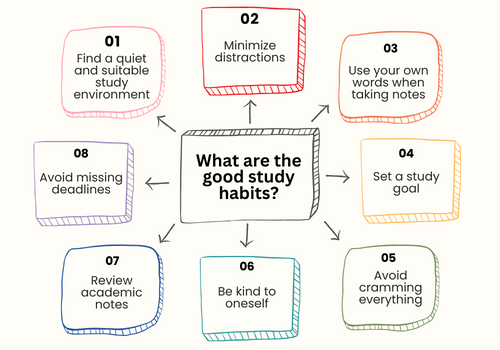
Many students believe that spending long hours with books automatically means productive learning. However, being busy is not the same as learning effectively. One of the biggest hidden mistakes students make is confusing study time with study quality.
A student may sit at a desk for eight hours while remaining distracted for most of that time. Constant phone checking, social media notifications, multitasking, and mental exhaustion reduce concentration significantly. Even though the student feels tired at the end of the day, actual learning may be very limited.
Modern digital culture has made focused learning more difficult than ever. Students are surrounded by endless distractions. Short-form videos, instant messaging, and constant notifications train the brain to seek quick stimulation. As attention spans shrink, many students struggle to focus deeply on complex subjects for extended periods.
Multitasking creates another major problem. Some students try to study while listening to unrelated videos, chatting online, or switching between multiple tasks constantly. Research and experience both show that the human brain learns better through focused attention rather than divided concentration. Constant switching reduces memory retention and increases mental fatigue.
Another mistake is passive learning. Many students repeatedly read textbooks or highlight notes without testing their understanding. Simply reading information again and again can create an illusion of learning because the material feels familiar. However, familiarity does not always mean mastery.
Active learning methods are usually far more effective. Solving problems, explaining concepts to others, writing summaries in personal language, and practicing recall improve understanding much more deeply than passive reading. Students who challenge their brains actively tend to remember information longer and develop stronger analytical skills.
Poor time management also damages learning quality. Some students delay studying until the last moment, creating stressful last-minute preparation sessions. Cramming may help temporary memorization, but it weakens long-term retention and increases anxiety. Learning works better when information is reviewed gradually over time.
Sleep deprivation is another hidden issue many students underestimate. Some believe sacrificing sleep for extra study hours improves performance. In reality, lack of sleep affects concentration, memory, decision-making, and emotional stability. A tired brain struggles to absorb and process information effectively.
Comparing themselves constantly with others can also reduce learning efficiency. Many students spend more time worrying about classmates’ progress than improving their own methods. Social comparison creates unnecessary stress and often damages confidence. Every learner has different strengths, weaknesses, and learning speeds.
Students who learn effectively usually focus more on consistency than intensity. Small, focused study sessions practiced regularly often produce better results than irregular periods of extreme effort. Sustainable habits matter more than temporary bursts of motivation.
Ignoring Real-World Skills and Independent Thinking
One of the most serious learning mistakes students make is believing that academic knowledge alone guarantees success in life. Traditional education often emphasizes textbook information while giving less importance to practical abilities and independent thinking. As a result, many students graduate with theoretical knowledge but struggle in real-world environments.
Communication skills are a common example. A student may perform exceptionally well in examinations but struggle to express ideas clearly during interviews, presentations, or workplace discussions. In modern professional environments, the ability to communicate effectively is often just as important as technical expertise.
Critical thinking is another skill many students fail to develop properly. Some become so accustomed to following instructions and memorizing approved answers that they hesitate to think independently. However, real-world problems rarely have simple textbook solutions. Employers and organizations value people who can analyze situations, ask intelligent questions, and make thoughtful decisions.
Students also underestimate the importance of adaptability. The modern world changes rapidly because of technology, automation, and global competition. Careers evolve constantly, and many future jobs may not even exist yet. Students who depend only on fixed academic knowledge may struggle when industries change. Lifelong learning and adaptability are becoming essential survival skills.
Many learners ignore practical experiences during their education years. Internships, projects, volunteering, public speaking, teamwork, and creative hobbies may seem less important than exam preparation, but these experiences often build valuable confidence and real-world understanding. Employers increasingly look for candidates who can demonstrate practical ability rather than only academic scores.
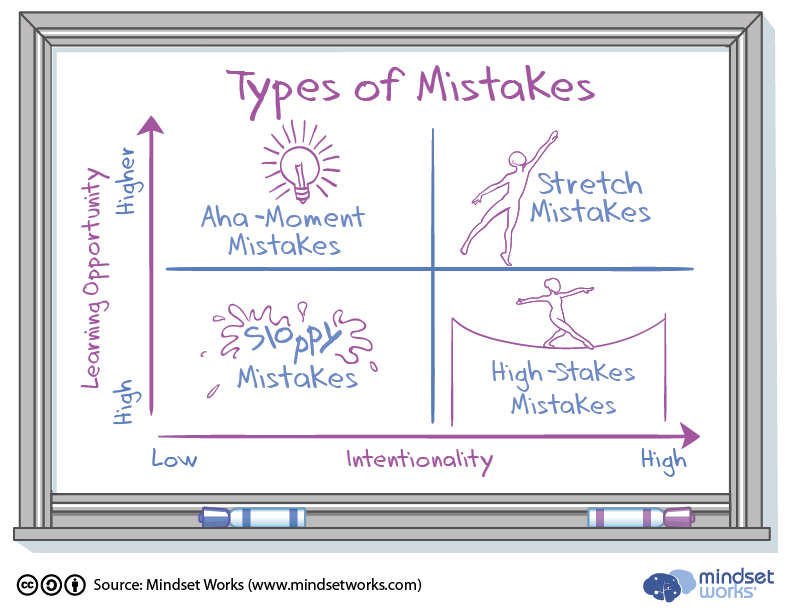
Another mistake is avoiding failure completely. Some students become so focused on maintaining perfect results that they stop taking risks. They avoid difficult challenges, new experiences, or unfamiliar opportunities because they fear mistakes. However, growth often comes through experimentation and failure. People who learn from setbacks usually develop stronger resilience and problem-solving ability.
Independent learning is also becoming more important globally. Information changes rapidly, and formal education alone cannot teach everything needed for life and work. Students who develop curiosity and self-learning habits gain a major advantage. They continue improving even outside classrooms because they know how to find information, evaluate sources, and build new skills independently.
Education should not only prepare students for examinations. It should prepare them for life, work, relationships, and personal growth. The most successful learners are often those who combine academic knowledge with practical skills, emotional intelligence, adaptability, and curiosity.
Many students do not realize their learning mistakes until much later, often after entering workplaces or facing real-world challenges. By recognizing these patterns early, learners can develop healthier study habits, stronger thinking skills, and a more meaningful relationship with education itself. Real learning is not about memorizing the maximum amount of information. It is about understanding deeply, applying knowledge wisely, and continuing to grow throughout life.