
Graduating from college has traditionally been viewed as the beginning of adulthood and professional life. For many students, earning a degree represents years of hard work, academic pressure, and personal sacrifice. However, the modern world has changed the meaning of career readiness. A college degree alone is no longer enough to guarantee success in a highly competitive and rapidly changing global environment.
Employers today are not only looking for academic qualifications. They want people who can communicate effectively, solve problems, adapt quickly, and work well with others. At the same time, many young graduates struggle after college because they realize too late that classroom learning did not fully prepare them for real-world challenges.
This gap between education and practical life has become increasingly visible worldwide. Students may excel in examinations yet feel unprepared during job interviews, workplace discussions, financial responsibilities, or independent decision-making. Many graduates discover that success depends not only on technical knowledge, but also on personal and professional skills that are rarely taught deeply in traditional education systems.
College years are one of the best times to build these abilities. Students have opportunities to explore ideas, interact with diverse people, develop independence, and prepare for future careers. The skills learned during this period often influence professional growth, confidence, relationships, and long-term stability far more than grades alone.
Communication and Critical Thinking Are Essential in Every Career
One of the most important skills every college student should develop before graduation is communication. No matter what career path someone chooses, the ability to express ideas clearly has become extremely valuable. Strong communication affects interviews, teamwork, leadership, networking, presentations, and even personal relationships.
Many students underestimate this skill because they assume technical expertise alone will guarantee career success. However, workplaces across the world increasingly depend on collaboration. Employers value individuals who can explain ideas confidently, listen carefully, write professionally, and interact respectfully with different types of people.
Communication goes beyond public speaking. Writing emails clearly, participating in discussions, presenting ideas during meetings, and understanding cultural differences are all important in modern professional environments. With remote work becoming more common globally, digital communication skills are now equally important. Miscommunication can damage teamwork, delay projects, and create unnecessary conflicts.
Critical thinking is another skill students should develop early. Many education systems focus heavily on memorization and fixed answers, but real-world situations are often uncertain and complex. Employers want people who can analyze information carefully, ask intelligent questions, and make thoughtful decisions instead of simply following instructions.
Critical thinking helps students avoid misinformation, evaluate arguments logically, and solve problems more effectively. In a world filled with endless online content, social media influence, and rapidly changing information, independent thinking has become more valuable than ever.
Problem-solving skills are closely connected to critical thinking. Every profession faces unexpected challenges. A software developer may encounter technical issues, a business professional may need to handle difficult clients, and a healthcare worker may need to make fast decisions under pressure. Students who learn how to approach problems calmly and logically are usually better prepared for workplace realities.
Adaptability is equally important. Technology, industries, and career demands are changing constantly. Some jobs disappear while new ones emerge rapidly. Students who remain flexible and open to learning new skills will likely perform better in uncertain environments. Adaptability allows people to grow instead of feeling threatened by change.
Teamwork also deserves attention during college years. Many students prefer working alone because it feels easier or more comfortable. However, professional life often involves collaboration with people from different backgrounds, personalities, and cultures. Learning how to cooperate, handle disagreements respectfully, and contribute to group goals prepares students for future workplace dynamics.
These skills are difficult to build overnight after graduation. They develop gradually through practice, interaction, self-awareness, and experience during student life.
Financial Awareness and Digital Skills Are Becoming Basic Life Requirements
Many college graduates enter adulthood without understanding basic financial management. This creates long-term stress and poor decision-making later in life. Financial awareness is no longer optional because modern life involves budgeting, savings, loans, investments, taxes, subscriptions, and digital payments.
Students should learn how to manage money responsibly before graduation. Understanding budgeting helps people avoid unnecessary debt and develop healthier financial habits early. Even simple skills like tracking expenses, saving regularly, and understanding interest rates can make a major difference over time.
Student loans and educational debt are major concerns in many countries. Young graduates who lack financial literacy may struggle with repayment planning, credit management, or long-term savings. Learning about personal finance early creates greater independence and confidence.
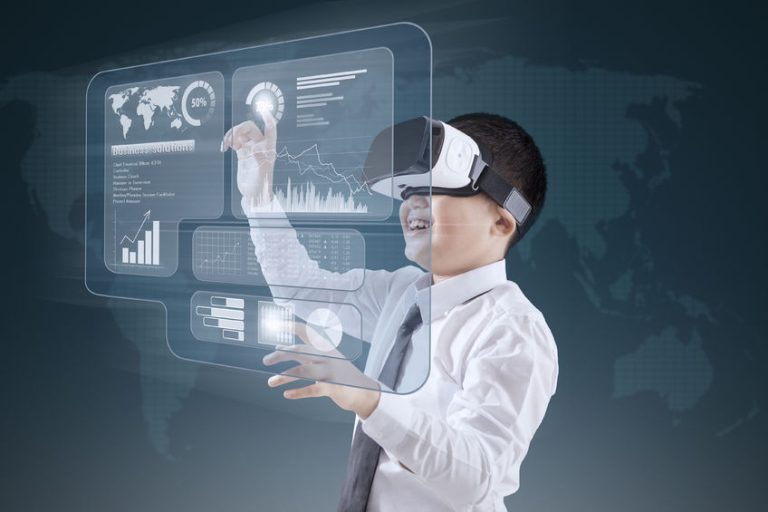
Digital literacy has also become one of the most essential modern skills. Almost every industry now depends on technology in some form. Even careers traditionally considered non-technical increasingly require familiarity with digital tools, online platforms, and virtual communication systems.
Basic digital competence includes understanding productivity software, online research, cybersecurity awareness, and responsible internet usage. Many employers expect graduates to adapt quickly to workplace technologies regardless of their academic background.
Students should also understand how digital identity affects career opportunities. Social media presence, online professionalism, and personal branding can influence networking and employment chances. Many recruiters review online profiles before hiring candidates, making digital responsibility increasingly important.
Artificial intelligence is adding another layer to this transformation. AI tools are becoming part of workplaces, education, marketing, healthcare, and business operations globally. Students who understand how to use AI ethically and effectively may gain a significant advantage in future careers.
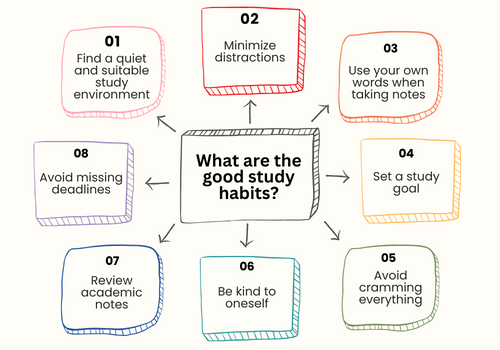
Time management is another overlooked but critical life skill. College often provides freedom for the first time, and many students struggle to balance studies, social life, personal responsibilities, and career preparation. Poor time management can lead to stress, missed opportunities, and burnout.
Learning how to prioritize tasks, avoid procrastination, and maintain healthy routines improves both academic performance and mental well-being. These habits become even more important after graduation when professional responsibilities increase significantly.
Emotional intelligence is equally valuable in adult life. Students who understand emotions, handle stress calmly, and communicate empathetically often build stronger relationships and healthier work environments. Emotional intelligence helps people manage criticism, workplace pressure, and interpersonal conflicts more effectively.
Unfortunately, many educational systems still focus more on academic performance than emotional development. As a result, students may graduate with strong theoretical knowledge but limited ability to manage stress, uncertainty, or professional relationships.
Lifelong Learning and Self-Confidence Shape Long-Term Success
One of the most important realizations students should develop before graduation is that education does not end with college. The modern world changes too quickly for any degree to remain sufficient forever. Lifelong learning has become essential for career growth and personal development.
Successful professionals often continue learning throughout their lives. They read regularly, take courses, attend workshops, follow industry trends, and adapt to new technologies. Students who develop curiosity and self-learning habits during college gain a major long-term advantage.
Self-confidence also plays a huge role in professional success. Many talented students underestimate themselves because they compare their progress constantly with others. Social media and competitive academic environments can increase insecurity and self-doubt. However, confidence grows through experience, preparation, and willingness to step outside comfort zones.
Internships, volunteering, public speaking, creative projects, and networking opportunities help students build real-world confidence before graduation. These experiences teach lessons that classrooms alone often cannot provide.
Networking is another valuable skill students frequently ignore until much later. Building genuine professional relationships can create career opportunities, mentorship, and collaborations. Networking does not mean pretending or using people for personal gain. It means learning how to connect respectfully, communicate professionally, and maintain meaningful relationships over time.
Creativity is also becoming increasingly valuable across industries. Automation and artificial intelligence can handle repetitive tasks efficiently, but human creativity remains difficult to replace. Students who learn to think creatively, explore ideas independently, and approach problems differently often stand out in competitive environments.
Resilience is perhaps one of the most important skills of all. Modern careers are rarely linear or predictable. Rejections, failures, uncertainty, and setbacks are normal parts of life. Students who learn how to recover from disappointment and continue improving develop stronger long-term stability.
College should not only prepare students for examinations or first jobs. It should prepare them for adulthood, independence, and continuous personal growth. The transition from student life to professional life becomes much smoother when individuals possess practical skills alongside academic knowledge.
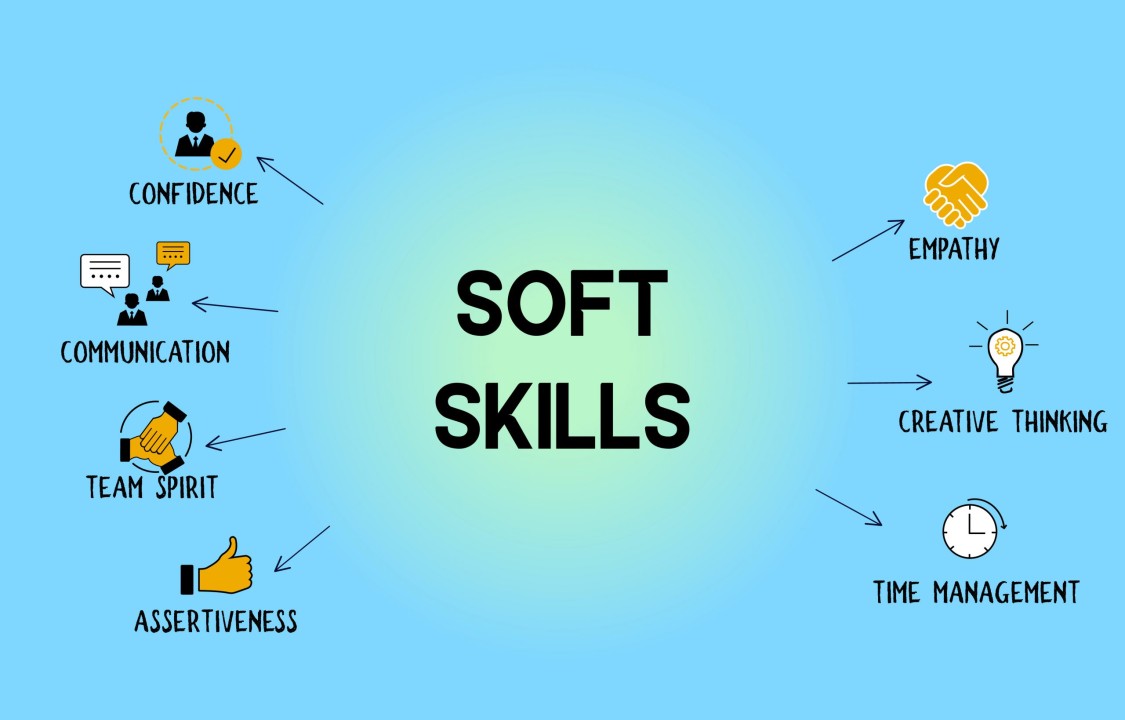
Grades and degrees still matter, but they are only part of the larger picture. Communication, adaptability, financial awareness, digital literacy, emotional intelligence, critical thinking, and lifelong learning habits often determine how successfully graduates navigate the real world.
The students who thrive after graduation are usually not those who memorized the most information, but those who learned how to think independently, communicate effectively, manage themselves responsibly, and continue growing beyond the classroom.