Author: gyankibook-editor

  • The Difference Between Studying Hard and Learning Smart
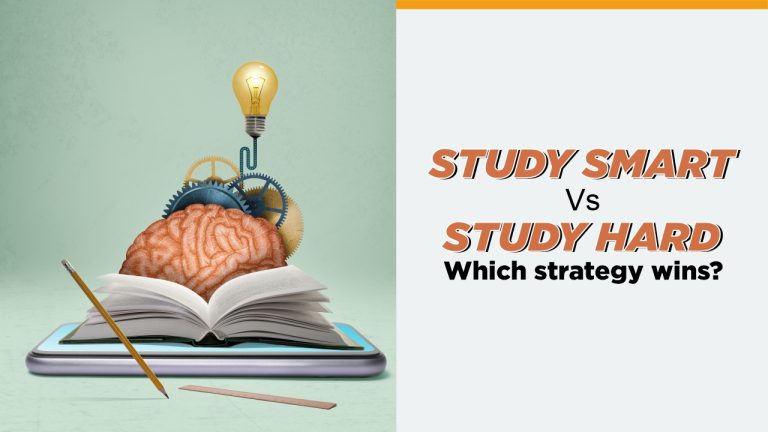
    The Difference Between Studying Hard and Learning Smart

    For generations, students have been told that success comes from studying hard. Long study hours, late-night revision sessions, and constant academic pressure have become common parts of student life across the world. Many learners believe that the more time they spend with books, the better their results will be. While dedication and effort are important, hard work alone does not always lead to effective learning.

    This is where the idea of learning smart becomes important. Learning smart does not mean avoiding effort or finding shortcuts to success. It means understanding how the brain absorbs information, managing time effectively, focusing on understanding instead of memorization, and using study methods that produce better long-term results.

    Many students study extremely hard yet still struggle academically. Others spend fewer hours studying but perform better because their methods are more focused and efficient. The difference often lies not in intelligence, but in the approach to learning itself.

    Modern education systems frequently reward visible effort. Students who stay awake all night preparing for exams are often praised for their dedication. However, exhaustion, stress, and ineffective study habits can reduce learning quality significantly. In contrast, students who learn smart focus on consistency, understanding, and strategy rather than simply increasing study hours.

    As academic competition increases and distractions become more common in the digital age, understanding the difference between studying hard and learning smart has become more important than ever.

    Studying Hard Often Focuses on Time While Learning Smart Focuses on Results

    One of the biggest differences between studying hard and learning smart is the focus itself. Students who study hard usually measure progress by the number of hours spent studying. They may spend entire days reading textbooks, highlighting notes, or repeatedly reviewing material without questioning whether those methods are truly effective.

    Learning smart focuses less on the amount of time and more on the quality of understanding. A student who studies intelligently pays attention to concentration, memory retention, and practical application instead of simply completing long study sessions.

    For example, many students reread the same chapter multiple times believing repetition alone will improve memory. While repetition has some value, passive reading often creates only temporary familiarity with the material. Students may feel confident because the content looks familiar, but they may struggle to recall or explain concepts independently later.

    Smart learners use active learning techniques instead. They test themselves regularly, solve practice problems, explain concepts in their own words, and connect ideas to real-life situations. These methods force the brain to process information more deeply, improving understanding and long-term retention.

    Another common difference is how students handle distractions. Students who rely only on hard work may sit with books for many hours while constantly checking social media, replying to messages, or multitasking. This creates the illusion of productivity while reducing concentration significantly.

    Smart learners understand the importance of focused attention. They create study environments that reduce distractions and improve concentration. Short periods of highly focused learning are often far more effective than many hours of distracted study.

    Planning also separates smart learning from simple hard work. Many students study without clear goals. They move randomly between subjects, revise without strategy, and waste time deciding what to study next. Smart learners usually organize their study schedules carefully. They identify weak areas, prioritize important topics, and use structured routines to improve efficiency.

    Rest and recovery are also important parts of smart learning. Students who study hard sometimes believe taking breaks is a sign of laziness. They sacrifice sleep, relaxation, and physical health in an attempt to study longer. However, exhaustion weakens concentration, memory, and problem-solving ability.

    Learning smart recognizes that the brain performs better when properly rested. Sleep, exercise, and mental breaks improve focus and help information move into long-term memory. Productivity is not about working continuously without rest. It is about maintaining consistent mental performance over time.

    Learning Smart Builds Understanding While Studying Hard Often Depends on Memorization

    Another major difference lies in how knowledge is processed. Students who study hard often focus heavily on memorization because many educational systems reward correct answers more than deep understanding. They may memorize definitions, formulas, or essays perfectly for examinations but struggle to apply that knowledge later.

    Learning smart focuses on understanding the logic behind concepts. Smart learners ask questions constantly. Instead of only memorizing information, they try to understand why something works, how ideas connect, and where concepts can be applied.

    This approach creates stronger foundations. For example, a student learning mathematics through memorization may solve familiar textbook problems successfully but become confused when questions are slightly modified. A student who understands the underlying concepts can adapt more easily to new situations because their knowledge is flexible rather than mechanical.

    The same pattern appears in language learning. Memorizing vocabulary lists may help temporarily, but real fluency develops through conversation, listening, reading, and practical usage. Smart learners engage actively with the language instead of depending only on memorization techniques.

    Technology has also changed the importance of understanding over memorization. Information is now available instantly through smartphones, search engines, and artificial intelligence tools. Because of this, modern success depends less on storing large amounts of information and more on interpreting, evaluating, and applying knowledge effectively.

    Critical thinking becomes far more important in smart learning. Students learn how to analyze information, identify patterns, and solve unfamiliar problems independently. These abilities are valuable not only for academics but also for careers and everyday decision-making.

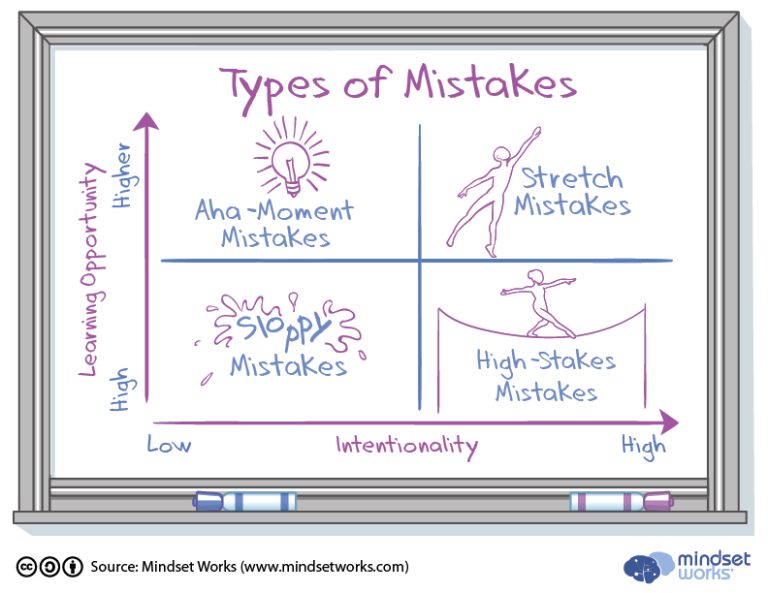
    Smart learners are also more willing to make mistakes. Many students who study hard fear failure because they connect mistakes with weakness or poor intelligence. As a result, they avoid difficult questions or unfamiliar challenges. Smart learners treat mistakes as part of the learning process. They review errors carefully and use them to improve understanding.

    Curiosity also plays a major role in smart learning. Students who only study hard often focus narrowly on exams and grades. Smart learners explore topics beyond the syllabus because genuine curiosity improves engagement and memory naturally.

    This difference becomes especially important after formal education ends. Memorized information is often forgotten quickly, but deep understanding and problem-solving ability remain valuable throughout life. Careers, technology, and industries change constantly, making adaptability more important than fixed knowledge alone.

    Smart Learning Creates Sustainable Growth and Better Long-Term Success

    One of the hidden problems with studying hard without strategy is burnout. Many students push themselves constantly under academic pressure. They sacrifice sleep, hobbies, social interaction, and mental health to maintain intense study routines. While this may produce short-term results, it often becomes emotionally exhausting over time.

    Smart learning encourages balance and sustainability. Students who learn effectively understand that long-term success depends on consistency rather than temporary extremes. Instead of relying on last-minute cramming sessions, they study regularly in manageable ways.

    Time management is another area where smart learning makes a difference. Students who study hard often spend excessive time on subjects they already understand because it feels comfortable. Meanwhile, they avoid difficult topics that require deeper effort. Smart learners identify weaknesses honestly and focus energy where improvement is most needed.

    Learning smart also involves understanding personal learning styles and habits. Some students learn better through visual examples, others through discussion, writing, or hands-on practice. Smart learners experiment with methods until they discover what works best for them instead of blindly copying others.

    The rise of digital education has made smart learning even more important. Students now have access to endless online resources, tutorials, courses, and study materials. However, too much information can also become overwhelming. Smart learners know how to filter useful resources, avoid unnecessary distractions, and focus on meaningful learning goals.

    Another important difference is motivation. Students who only study hard often depend heavily on external pressure such as exams, parental expectations, or competition. Smart learners develop internal motivation because they understand the value of learning itself. They focus on personal growth and long-term goals rather than temporary academic performance alone.

    Career success increasingly depends on smart learning habits as well. Modern workplaces value adaptability, creativity, communication, and problem-solving skills. Employees are expected to learn continuously throughout their careers because industries evolve rapidly. People who know how to learn effectively can adjust to changing environments more easily.

    Artificial intelligence and automation are accelerating this shift. Many repetitive tasks can now be automated, but human abilities such as critical thinking, creativity, emotional intelligence, and complex decision-making remain highly valuable. These skills are developed more through smart learning than through memorization-based study habits.

    This does not mean hard work is unimportant. Effort, discipline, and persistence remain essential parts of success. However, effort without strategy can lead to frustration and exhaustion. The most successful learners usually combine hard work with intelligent methods.

    Studying hard may help students survive exams temporarily, but learning smart prepares them for lifelong growth. Real education is not simply about spending more hours with books. It is about understanding deeply, thinking independently, adapting continuously, and using knowledge effectively in real situations.

    As education and careers continue evolving globally, students who learn smart will likely have a stronger advantage than those who depend only on long study hours and memorization. The future belongs not just to the hardest workers, but to those who understand how to learn efficiently, creatively, and sustainably.

  • Skills Every College Student Should Learn Before Graduation

    Skills Every College Student Should Learn Before Graduation

    Graduating from college has traditionally been viewed as the beginning of adulthood and professional life. For many students, earning a degree represents years of hard work, academic pressure, and personal sacrifice. However, the modern world has changed the meaning of career readiness. A college degree alone is no longer enough to guarantee success in a highly competitive and rapidly changing global environment.

    Employers today are not only looking for academic qualifications. They want people who can communicate effectively, solve problems, adapt quickly, and work well with others. At the same time, many young graduates struggle after college because they realize too late that classroom learning did not fully prepare them for real-world challenges.

    This gap between education and practical life has become increasingly visible worldwide. Students may excel in examinations yet feel unprepared during job interviews, workplace discussions, financial responsibilities, or independent decision-making. Many graduates discover that success depends not only on technical knowledge, but also on personal and professional skills that are rarely taught deeply in traditional education systems.

    College years are one of the best times to build these abilities. Students have opportunities to explore ideas, interact with diverse people, develop independence, and prepare for future careers. The skills learned during this period often influence professional growth, confidence, relationships, and long-term stability far more than grades alone.

    Communication and Critical Thinking Are Essential in Every Career

    One of the most important skills every college student should develop before graduation is communication. No matter what career path someone chooses, the ability to express ideas clearly has become extremely valuable. Strong communication affects interviews, teamwork, leadership, networking, presentations, and even personal relationships.

    Many students underestimate this skill because they assume technical expertise alone will guarantee career success. However, workplaces across the world increasingly depend on collaboration. Employers value individuals who can explain ideas confidently, listen carefully, write professionally, and interact respectfully with different types of people.

    Communication goes beyond public speaking. Writing emails clearly, participating in discussions, presenting ideas during meetings, and understanding cultural differences are all important in modern professional environments. With remote work becoming more common globally, digital communication skills are now equally important. Miscommunication can damage teamwork, delay projects, and create unnecessary conflicts.

    Critical thinking is another skill students should develop early. Many education systems focus heavily on memorization and fixed answers, but real-world situations are often uncertain and complex. Employers want people who can analyze information carefully, ask intelligent questions, and make thoughtful decisions instead of simply following instructions.

    Critical thinking helps students avoid misinformation, evaluate arguments logically, and solve problems more effectively. In a world filled with endless online content, social media influence, and rapidly changing information, independent thinking has become more valuable than ever.

    Problem-solving skills are closely connected to critical thinking. Every profession faces unexpected challenges. A software developer may encounter technical issues, a business professional may need to handle difficult clients, and a healthcare worker may need to make fast decisions under pressure. Students who learn how to approach problems calmly and logically are usually better prepared for workplace realities.

    Adaptability is equally important. Technology, industries, and career demands are changing constantly. Some jobs disappear while new ones emerge rapidly. Students who remain flexible and open to learning new skills will likely perform better in uncertain environments. Adaptability allows people to grow instead of feeling threatened by change.

    Teamwork also deserves attention during college years. Many students prefer working alone because it feels easier or more comfortable. However, professional life often involves collaboration with people from different backgrounds, personalities, and cultures. Learning how to cooperate, handle disagreements respectfully, and contribute to group goals prepares students for future workplace dynamics.

    These skills are difficult to build overnight after graduation. They develop gradually through practice, interaction, self-awareness, and experience during student life.

    Financial Awareness and Digital Skills Are Becoming Basic Life Requirements

    Many college graduates enter adulthood without understanding basic financial management. This creates long-term stress and poor decision-making later in life. Financial awareness is no longer optional because modern life involves budgeting, savings, loans, investments, taxes, subscriptions, and digital payments.

    Students should learn how to manage money responsibly before graduation. Understanding budgeting helps people avoid unnecessary debt and develop healthier financial habits early. Even simple skills like tracking expenses, saving regularly, and understanding interest rates can make a major difference over time.

    Student loans and educational debt are major concerns in many countries. Young graduates who lack financial literacy may struggle with repayment planning, credit management, or long-term savings. Learning about personal finance early creates greater independence and confidence.

    Digital literacy has also become one of the most essential modern skills. Almost every industry now depends on technology in some form. Even careers traditionally considered non-technical increasingly require familiarity with digital tools, online platforms, and virtual communication systems.

    Basic digital competence includes understanding productivity software, online research, cybersecurity awareness, and responsible internet usage. Many employers expect graduates to adapt quickly to workplace technologies regardless of their academic background.

    Students should also understand how digital identity affects career opportunities. Social media presence, online professionalism, and personal branding can influence networking and employment chances. Many recruiters review online profiles before hiring candidates, making digital responsibility increasingly important.

    Artificial intelligence is adding another layer to this transformation. AI tools are becoming part of workplaces, education, marketing, healthcare, and business operations globally. Students who understand how to use AI ethically and effectively may gain a significant advantage in future careers.

    Time management is another overlooked but critical life skill. College often provides freedom for the first time, and many students struggle to balance studies, social life, personal responsibilities, and career preparation. Poor time management can lead to stress, missed opportunities, and burnout.

    Learning how to prioritize tasks, avoid procrastination, and maintain healthy routines improves both academic performance and mental well-being. These habits become even more important after graduation when professional responsibilities increase significantly.

    Emotional intelligence is equally valuable in adult life. Students who understand emotions, handle stress calmly, and communicate empathetically often build stronger relationships and healthier work environments. Emotional intelligence helps people manage criticism, workplace pressure, and interpersonal conflicts more effectively.

    Unfortunately, many educational systems still focus more on academic performance than emotional development. As a result, students may graduate with strong theoretical knowledge but limited ability to manage stress, uncertainty, or professional relationships.

    Lifelong Learning and Self-Confidence Shape Long-Term Success

    One of the most important realizations students should develop before graduation is that education does not end with college. The modern world changes too quickly for any degree to remain sufficient forever. Lifelong learning has become essential for career growth and personal development.

    Successful professionals often continue learning throughout their lives. They read regularly, take courses, attend workshops, follow industry trends, and adapt to new technologies. Students who develop curiosity and self-learning habits during college gain a major long-term advantage.

    Self-confidence also plays a huge role in professional success. Many talented students underestimate themselves because they compare their progress constantly with others. Social media and competitive academic environments can increase insecurity and self-doubt. However, confidence grows through experience, preparation, and willingness to step outside comfort zones.

    Internships, volunteering, public speaking, creative projects, and networking opportunities help students build real-world confidence before graduation. These experiences teach lessons that classrooms alone often cannot provide.

    Networking is another valuable skill students frequently ignore until much later. Building genuine professional relationships can create career opportunities, mentorship, and collaborations. Networking does not mean pretending or using people for personal gain. It means learning how to connect respectfully, communicate professionally, and maintain meaningful relationships over time.

    Creativity is also becoming increasingly valuable across industries. Automation and artificial intelligence can handle repetitive tasks efficiently, but human creativity remains difficult to replace. Students who learn to think creatively, explore ideas independently, and approach problems differently often stand out in competitive environments.

    Resilience is perhaps one of the most important skills of all. Modern careers are rarely linear or predictable. Rejections, failures, uncertainty, and setbacks are normal parts of life. Students who learn how to recover from disappointment and continue improving develop stronger long-term stability.

    College should not only prepare students for examinations or first jobs. It should prepare them for adulthood, independence, and continuous personal growth. The transition from student life to professional life becomes much smoother when individuals possess practical skills alongside academic knowledge.

    Grades and degrees still matter, but they are only part of the larger picture. Communication, adaptability, financial awareness, digital literacy, emotional intelligence, critical thinking, and lifelong learning habits often determine how successfully graduates navigate the real world.

    The students who thrive after graduation are usually not those who memorized the most information, but those who learned how to think independently, communicate effectively, manage themselves responsibly, and continue growing beyond the classroom.

  • How Online Education Is Changing Career Opportunities in India

    How Online Education Is Changing Career Opportunities in India

    Education in India has gone through a massive transformation in the last decade. For many years, quality learning was mostly limited to large cities, expensive institutions, and students who could afford coaching centers or private colleges. Career opportunities often depended heavily on location, financial background, and access to educational resources. A student living in a metropolitan city had far more opportunities than someone from a small town or rural area.

    The growth of online education has started changing this reality in significant ways. Today, millions of Indian students and working professionals can learn new skills, attend classes, prepare for competitive exams, and even earn certifications directly from their homes. A smartphone and internet connection are often enough to access courses from some of the best educators and institutions in the world.

    Online learning became especially popular during the COVID-19 pandemic, but its impact continued long after classrooms reopened. Students realized they no longer needed to depend entirely on traditional educational systems to improve their careers. Professionals discovered they could learn coding, digital marketing, finance, communication, graphic design, artificial intelligence, and many other skills without leaving their jobs.

    This shift is not only changing how people study. It is reshaping career opportunities across India by making learning more flexible, affordable, and accessible than ever before.

    Online Education Is Expanding Access to Skills and Career Growth

    One of the biggest ways online education is changing India is by reducing geographical barriers. Earlier, students from smaller towns often had limited access to experienced teachers, advanced training, or specialized courses. Many talented students could not move to major cities because of financial limitations or family responsibilities.

    Online platforms have helped bridge this gap. A student living in a remote district can now attend live classes from expert educators based in cities like Bengaluru, Delhi, Mumbai, or even international locations. This has opened opportunities that were once available only to a small section of society.

    Competitive exam preparation is one of the clearest examples. Students preparing for engineering, medical, government, banking, or civil service examinations previously depended heavily on expensive coaching institutes. Now, online platforms provide recorded lectures, mock tests, study materials, and doubt-solving sessions at much lower costs. Many students who could never afford traditional coaching now have access to quality educational support.

    The rise of affordable digital learning has also helped working professionals. Earlier, changing careers often required returning to college or attending long-term classroom programs. Today, many professionals upgrade their skills through short online courses while continuing their jobs. Someone working in customer support can learn data analytics, programming, or digital marketing online and gradually transition into a completely different career field.

    India’s rapidly growing technology sector has benefited significantly from this trend. Thousands of learners from non-technical backgrounds have entered software development, web design, app development, cybersecurity, and AI-related careers through online learning platforms. In many cases, companies focus more on practical skills and project experience than formal degrees alone.

    Freelancing opportunities have also increased because of online education. Many Indians now learn skills like content writing, video editing, graphic design, animation, social media management, and online teaching through digital courses. These skills allow them to work with clients globally instead of depending only on local job markets.

    Women, especially those balancing family responsibilities, have gained new career opportunities as well. Many women who previously faced difficulties attending physical institutions can now study from home and build careers online. Flexible learning schedules make education more accessible for people managing household responsibilities, childcare, or part-time work.

    The affordability of online education has played a major role in this transformation. Traditional professional courses can be extremely expensive, while many online programs are either low-cost or free. This has made skill development possible for students from middle-class and lower-income families who may not have had access earlier.

    The Shift From Degrees to Skills Is Reshaping Hiring Trends

    One major change created by online education is the growing importance of skills over traditional qualifications. For decades, many Indian students believed that earning a degree alone guaranteed career success. While degrees still remain important in several professions, employers are increasingly looking for practical ability and real-world competence.

    Online education supports this shift because many courses focus directly on industry-relevant skills rather than only theoretical knowledge. Learners can practice real projects, build portfolios, and gain hands-on experience while studying. This approach matches the demands of modern industries more effectively.

    Technology companies, startups, and digital businesses especially value practical skills. Many employers now hire candidates who can demonstrate coding ability, content creation skills, marketing expertise, or technical problem-solving, even if they come from non-traditional educational backgrounds. This change has created opportunities for self-taught learners across India.

    The startup culture in India has also encouraged skill-based hiring. Fast-growing businesses often prioritize adaptability, creativity, and practical experience over academic prestige. A candidate who has completed relevant online certifications and built actual projects may stand out more than someone with only theoretical academic knowledge.

    Another important development is the rise of hybrid careers. Online education allows people to combine skills from multiple fields. For example, a commerce graduate can learn digital marketing, a teacher can study video editing, or an engineer can explore entrepreneurship and communication skills. These combinations create unique career paths that traditional education systems rarely encouraged earlier.

    Language barriers are also slowly decreasing. Many online educators now teach in Hindi and regional Indian languages, making learning more accessible to students who may struggle with English-only instruction. This inclusiveness has expanded career opportunities for learners from diverse educational backgrounds.

    The gig economy is another area heavily influenced by online learning. Platforms offering freelance work, remote jobs, and digital services allow skilled individuals to earn independently. Young people no longer depend entirely on traditional office jobs because online education helps them build marketable skills directly connected to global demand.

    Students are also becoming more aware of emerging industries earlier than before. Online platforms expose learners to fields like artificial intelligence, blockchain, cloud computing, UX design, and creator economy careers that may not yet be fully covered in traditional college syllabi. This awareness helps students prepare for future opportunities instead of relying only on outdated academic systems.

    However, this shift has also created challenges. The large number of online courses available can confuse students. Some programs promise unrealistic career outcomes without providing real value. Many learners struggle with discipline because online education requires self-motivation and consistent effort. Without proper focus, students may collect certificates without developing strong practical skills.

    Online Learning Is Changing the Future of Education and Employment

    The influence of online education in India is likely to grow even further in the coming years. Internet access is expanding rapidly, smartphone usage continues increasing, and digital platforms are becoming more advanced. As technology improves, learning experiences are becoming more interactive and personalized.

    Artificial intelligence is beginning to shape online education as well. Learning platforms can now recommend courses based on student performance, provide instant feedback, and create customized study experiences. This makes education more flexible than traditional classroom systems where all students often follow the same pace.

    Colleges and universities in India are also adapting slowly to digital learning trends. Many institutions now offer online degree programs, hybrid classes, and skill-based certifications alongside traditional education. This suggests that the future may combine classroom learning with digital education rather than treating them as separate systems.

    The changing job market is another reason online education will remain important. Automation and AI are transforming industries globally. Many routine jobs may disappear, while new technology-driven careers continue emerging. Workers will need continuous learning throughout their lives to remain competitive.

    Online education supports lifelong learning in ways traditional education often cannot. A person no longer needs to stop studying after graduation. Professionals can continuously upgrade their knowledge, explore new industries, and adapt to changing market demands from anywhere.

    Entrepreneurship is also benefiting from digital learning. Many young Indians now learn business management, branding, e-commerce, and financial skills online before launching startups or independent businesses. Access to practical knowledge has reduced dependence on formal business education for many aspiring entrepreneurs.

    The social impact of online learning is equally important. Education is becoming more democratic because knowledge is no longer controlled entirely by elite institutions. A motivated learner with internet access can compete with people from far more privileged backgrounds if they develop strong skills and discipline.

    Still, online education is not a perfect replacement for traditional systems. Classroom interaction, mentorship, networking, and hands-on institutional experiences remain valuable. The most effective approach may be a balanced combination of formal education and continuous online skill development.

    India’s workforce is young, ambitious, and increasingly digital. Online education is helping millions of people prepare for careers that were previously inaccessible because of geography, finances, or social limitations. More importantly, it is changing the idea of what education itself means. Learning is no longer restricted to classrooms, fixed schedules, or expensive institutions. It has become flexible, ongoing, and closely connected to real-world opportunities.

    As industries continue evolving and technology reshapes employment, online education will likely remain one of the strongest forces transforming career growth and social mobility across India.

  • The Biggest Learning Mistakes Students Make Without Realizing It

    The Biggest Learning Mistakes Students Make Without Realizing It

    Learning is often seen as a simple process of attending classes, reading books, and passing examinations. Many students spend years believing they are learning effectively because they complete assignments, memorize chapters, and score reasonably well in tests. However, real learning is much deeper than collecting marks or finishing syllabi. It is about understanding ideas, building skills, developing curiosity, and becoming capable of solving problems independently.

    One of the biggest challenges in modern education is that students frequently make learning mistakes without even realizing it. These mistakes become habits over time, affecting academic performance, confidence, creativity, and long-term career growth. In many cases, students blame themselves for poor results without understanding that their study methods and mindset may be the actual problem.

    The pressure to perform well in competitive educational systems has also created unhealthy learning patterns. Students often focus more on short-term exam success than genuine understanding. As a result, many learners become exhausted, distracted, and disconnected from the true purpose of education.

    Recognizing these mistakes is important because effective learning is not about studying longer hours. It is about studying smarter, thinking critically, and creating habits that improve understanding over time.

    Studying for Exams Instead of Understanding Concepts

    One of the most common learning mistakes students make is focusing entirely on examinations rather than actual understanding. In many education systems, success is measured through marks, rankings, and test scores. Because of this, students often develop a habit of studying only what is necessary to pass exams.

    This approach may produce short-term academic results, but it creates weak foundations. Many students memorize answers without understanding why concepts work the way they do. They may reproduce textbook definitions perfectly during exams, yet struggle to apply those ideas in real situations later.

    For example, a student might memorize mathematical formulas without understanding their logic. During examinations, they can solve familiar questions, but when faced with slightly different problems, confusion appears immediately. The same happens in subjects like science, economics, and language learning. Memorization without understanding creates fragile knowledge that disappears quickly after exams are over.

    Another issue is that students often ignore curiosity. Instead of asking questions and exploring topics deeply, they focus on predicted questions, shortcuts, and “important chapters.” This reduces learning to a mechanical process. Over time, students may lose interest in education entirely because studying begins to feel repetitive and stressful rather than meaningful.

    Technology has also influenced this problem. Many learners now depend heavily on summary videos, quick notes, and exam-focused content. While these resources can be useful, excessive dependence on shortcuts weakens critical thinking. Students may feel productive because they consume large amounts of information quickly, but real understanding requires time, reflection, and practice.

    Fear of failure also pushes students toward surface learning. Many avoid difficult topics because they are afraid of making mistakes. Instead of strengthening weak areas, they repeatedly revise comfortable subjects to feel confident. This creates gaps in knowledge that become larger over time.

    True learning happens when students engage actively with concepts. Asking questions, discussing ideas, solving unfamiliar problems, and connecting lessons to real life create stronger understanding than passive memorization ever can. Students who focus on understanding usually perform better in the long run because they can adapt their knowledge to new situations.

    Mistaking Busy Study Routines for Effective Learning

    Many students believe that spending long hours with books automatically means productive learning. However, being busy is not the same as learning effectively. One of the biggest hidden mistakes students make is confusing study time with study quality.

    A student may sit at a desk for eight hours while remaining distracted for most of that time. Constant phone checking, social media notifications, multitasking, and mental exhaustion reduce concentration significantly. Even though the student feels tired at the end of the day, actual learning may be very limited.

    Modern digital culture has made focused learning more difficult than ever. Students are surrounded by endless distractions. Short-form videos, instant messaging, and constant notifications train the brain to seek quick stimulation. As attention spans shrink, many students struggle to focus deeply on complex subjects for extended periods.

    Multitasking creates another major problem. Some students try to study while listening to unrelated videos, chatting online, or switching between multiple tasks constantly. Research and experience both show that the human brain learns better through focused attention rather than divided concentration. Constant switching reduces memory retention and increases mental fatigue.

    Another mistake is passive learning. Many students repeatedly read textbooks or highlight notes without testing their understanding. Simply reading information again and again can create an illusion of learning because the material feels familiar. However, familiarity does not always mean mastery.

    Active learning methods are usually far more effective. Solving problems, explaining concepts to others, writing summaries in personal language, and practicing recall improve understanding much more deeply than passive reading. Students who challenge their brains actively tend to remember information longer and develop stronger analytical skills.

    Poor time management also damages learning quality. Some students delay studying until the last moment, creating stressful last-minute preparation sessions. Cramming may help temporary memorization, but it weakens long-term retention and increases anxiety. Learning works better when information is reviewed gradually over time.

    Sleep deprivation is another hidden issue many students underestimate. Some believe sacrificing sleep for extra study hours improves performance. In reality, lack of sleep affects concentration, memory, decision-making, and emotional stability. A tired brain struggles to absorb and process information effectively.

    Comparing themselves constantly with others can also reduce learning efficiency. Many students spend more time worrying about classmates’ progress than improving their own methods. Social comparison creates unnecessary stress and often damages confidence. Every learner has different strengths, weaknesses, and learning speeds.

    Students who learn effectively usually focus more on consistency than intensity. Small, focused study sessions practiced regularly often produce better results than irregular periods of extreme effort. Sustainable habits matter more than temporary bursts of motivation.

    Ignoring Real-World Skills and Independent Thinking

    One of the most serious learning mistakes students make is believing that academic knowledge alone guarantees success in life. Traditional education often emphasizes textbook information while giving less importance to practical abilities and independent thinking. As a result, many students graduate with theoretical knowledge but struggle in real-world environments.

    Communication skills are a common example. A student may perform exceptionally well in examinations but struggle to express ideas clearly during interviews, presentations, or workplace discussions. In modern professional environments, the ability to communicate effectively is often just as important as technical expertise.

    Critical thinking is another skill many students fail to develop properly. Some become so accustomed to following instructions and memorizing approved answers that they hesitate to think independently. However, real-world problems rarely have simple textbook solutions. Employers and organizations value people who can analyze situations, ask intelligent questions, and make thoughtful decisions.

    Students also underestimate the importance of adaptability. The modern world changes rapidly because of technology, automation, and global competition. Careers evolve constantly, and many future jobs may not even exist yet. Students who depend only on fixed academic knowledge may struggle when industries change. Lifelong learning and adaptability are becoming essential survival skills.

    Many learners ignore practical experiences during their education years. Internships, projects, volunteering, public speaking, teamwork, and creative hobbies may seem less important than exam preparation, but these experiences often build valuable confidence and real-world understanding. Employers increasingly look for candidates who can demonstrate practical ability rather than only academic scores.

    Another mistake is avoiding failure completely. Some students become so focused on maintaining perfect results that they stop taking risks. They avoid difficult challenges, new experiences, or unfamiliar opportunities because they fear mistakes. However, growth often comes through experimentation and failure. People who learn from setbacks usually develop stronger resilience and problem-solving ability.

    Independent learning is also becoming more important globally. Information changes rapidly, and formal education alone cannot teach everything needed for life and work. Students who develop curiosity and self-learning habits gain a major advantage. They continue improving even outside classrooms because they know how to find information, evaluate sources, and build new skills independently.

    Education should not only prepare students for examinations. It should prepare them for life, work, relationships, and personal growth. The most successful learners are often those who combine academic knowledge with practical skills, emotional intelligence, adaptability, and curiosity.

    Many students do not realize their learning mistakes until much later, often after entering workplaces or facing real-world challenges. By recognizing these patterns early, learners can develop healthier study habits, stronger thinking skills, and a more meaningful relationship with education itself. Real learning is not about memorizing the maximum amount of information. It is about understanding deeply, applying knowledge wisely, and continuing to grow throughout life.

  • Why Practical Skills Matter More Than Memorizing Textbooks Today

    Why Practical Skills Matter More Than Memorizing Textbooks Today

    Education has changed dramatically over the past few decades. For generations, students were taught that success depended mainly on remembering facts, repeating definitions, and scoring well in examinations. Schools and universities often rewarded students who could memorize entire chapters and reproduce them perfectly on paper. While academic knowledge still has value, the modern world has shifted toward something far more important: the ability to apply knowledge in real-life situations.

    Today, employers, businesses, and even communities are looking for people who can solve problems, communicate clearly, adapt quickly, and learn continuously. Information is no longer difficult to access. A smartphone can provide answers within seconds, and artificial intelligence tools can summarize entire books instantly. Because of this, memorizing information alone no longer guarantees success. What matters now is whether a person can use knowledge effectively.

    Practical skills have become essential in almost every area of life. Whether someone wants to become a doctor, entrepreneur, software developer, designer, teacher, or content creator, the ability to perform tasks, think critically, and adapt to changing situations matters more than simply remembering textbook material. This transformation is reshaping education systems, workplaces, and career opportunities around the world.

    The Modern World Rewards Problem Solvers, Not Information Repeaters

    The internet has completely changed the meaning of knowledge. In the past, people memorized information because access to books, libraries, and expert guidance was limited. Students needed to store facts in their minds because retrieving information was difficult and time-consuming. Today, information is available everywhere. What separates successful individuals from others is not how much they can memorize, but how effectively they can use available knowledge to solve problems.

    A student may memorize every programming theory from a textbook, but if they cannot build a functioning application, companies may not consider them ready for real work. Similarly, someone studying business may know hundreds of management concepts, but without communication, leadership, and decision-making skills, that knowledge remains incomplete.

    This reality is visible across industries. Employers increasingly ask candidates to complete practical tasks during interviews instead of only discussing academic qualifications. Graphic designers are judged by their portfolios, writers by their published work, marketers by campaign results, and software developers by projects they have built. Degrees still matter in many professions, but practical ability often determines who gets hired and who succeeds long term.

    The rise of remote work and freelancing has accelerated this trend further. Clients hiring freelancers online rarely ask for university marksheets. Instead, they want proof of skill. They want to see websites, articles, apps, videos, or designs that demonstrate real capability. A person who can deliver quality work consistently often earns more opportunities than someone with impressive academic scores but limited practical experience.

    Even outside careers, practical skills have become important for daily life. Financial literacy, digital communication, emotional intelligence, negotiation, and time management are rarely taught deeply in traditional classrooms, yet they strongly influence personal and professional success. Many highly educated individuals struggle in workplaces because they cannot collaborate effectively, handle pressure, or adapt to unexpected challenges.

    Technology is also evolving faster than textbook systems can keep up with. In many fields, textbooks become outdated within a few years. Practical learners, however, continuously improve because they learn through experimentation, observation, and real-world application. They stay flexible instead of depending only on fixed academic content.

    Practical Learning Builds Confidence, Creativity, and Adaptability

    One major weakness of memorization-based education is that students often forget information quickly after examinations. Many learners spend months preparing for tests, only to remember very little later. Practical learning creates a completely different experience because it involves active participation instead of passive repetition.

    When people learn by doing, they develop deeper understanding and stronger confidence. A student who learns photography by actually using a camera understands lighting, composition, and editing far better than someone who only reads theory. A language learner who practices speaking regularly becomes fluent faster than someone who memorizes grammar rules without conversation practice.

    Practical experiences also teach lessons that textbooks cannot fully explain. Failure, for example, becomes a powerful teacher. When an entrepreneur launches a small business and faces challenges, they learn problem-solving, resilience, customer communication, and financial planning in ways no classroom lecture can replicate. Real experiences force people to think independently and adapt quickly.

    Creativity grows naturally through practical work. Memorization usually encourages students to follow fixed answers, while hands-on learning encourages experimentation. In modern industries, creativity is highly valuable because businesses constantly need new ideas, better systems, and innovative solutions. People who can think differently often stand out more than those who simply follow instructions.

    Adaptability has become one of the most important skills in the modern economy. Entire industries are changing because of automation, artificial intelligence, and digital transformation. Jobs that existed ten years ago may disappear, while entirely new career paths emerge rapidly. People who rely only on memorized knowledge may struggle when industries change. Practical learners, however, are often better prepared because they know how to learn continuously.

    For example, many successful professionals today work in careers that did not exist during their school years. Social media managers, app developers, YouTubers, AI specialists, podcast editors, and digital marketers often built their careers through self-learning and practical experimentation rather than traditional memorization-heavy education.

    Practical learning also improves motivation. Students frequently lose interest when education feels disconnected from real life. Many young people ask why they must memorize formulas, dates, or theories they may never use. When learning becomes practical and connected to real goals, engagement increases naturally. People become excited because they can immediately see results from their efforts.

    This is why project-based learning, internships, workshops, online courses, and skill training programs are becoming increasingly popular globally. Learners want education that prepares them for reality instead of only preparing them for examinations.

    Education Systems Are Slowly Shifting Toward Skill-Based Learning

    Around the world, education systems are beginning to recognize the limitations of excessive memorization. Many schools, universities, and organizations are introducing skill-based learning models that focus more on critical thinking, collaboration, creativity, and practical application.

    Companies are also changing hiring practices. Some major technology firms no longer require traditional degrees for certain positions if candidates can demonstrate strong practical ability. Online certifications, portfolios, internships, and project experience are gaining importance because they show real competence.

    Digital platforms have made skill development more accessible than ever before. A person with internet access can now learn coding, video editing, public speaking, graphic design, foreign languages, or business skills from anywhere in the world. This accessibility is reducing the traditional gap between formal education and practical learning.

    The popularity of online learning platforms reflects this change clearly. Millions of people now take courses specifically to gain practical abilities that improve career opportunities. Many learners focus on building real-world skills instead of collecting academic qualifications alone.

    However, this does not mean textbooks are useless. Theoretical knowledge still forms an important foundation. Doctors need medical theory before treating patients, engineers need scientific principles before building structures, and lawyers need legal understanding before practicing law. The problem arises when education focuses only on memorization without teaching students how to apply knowledge effectively.

    The ideal approach combines theory with practice. Knowledge becomes powerful when learners understand concepts deeply and know how to use them in real situations. A balanced education encourages curiosity, experimentation, communication, and independent thinking alongside academic study.

    Parents, teachers, and students themselves are increasingly recognizing this reality. Many families now encourage children to explore hobbies, internships, coding, sports, arts, entrepreneurship, and communication skills alongside formal education. Employers value individuals who can learn independently, adapt quickly, and contribute meaningfully in dynamic environments.

    The future will likely place even greater importance on practical ability. Artificial intelligence may automate many routine tasks, but human skills such as creativity, emotional intelligence, leadership, critical thinking, and complex problem-solving will remain valuable. These abilities cannot be developed through memorization alone.

    As the world becomes more connected and competitive, education must evolve beyond simply teaching students to remember information. The real purpose of learning should be to prepare individuals for life, work, and continuous growth. Practical skills help people navigate uncertainty, solve meaningful problems, and create opportunities in ways that memorized answers alone never can.