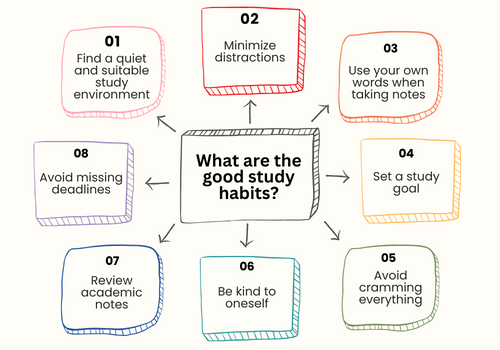
Parents play one of the most important roles in shaping a child’s attitude toward learning. Schools, teachers, and educational systems certainly influence academic growth, but the habits children develop at home often determine how they approach learning throughout life. A child’s curiosity, discipline, confidence, and relationship with education are strongly affected by the environment created by parents during the early years.
In many households, learning is often associated mainly with examinations, homework, and academic performance. While grades and school achievements matter, true learning habits go far beyond completing assignments or memorizing textbook information. Good learning habits include curiosity, concentration, time management, reading, problem-solving, independent thinking, and the willingness to keep improving over time.
Modern parenting has become more challenging because children now grow up in highly digital environments filled with distractions. Smartphones, video platforms, gaming, social media, and constant online entertainment compete heavily for children’s attention. As a result, many parents struggle to encourage focus, patience, and meaningful learning routines.
At the same time, pressure on children has increased in many parts of the world. Academic competition, entrance examinations, and social expectations often create stress for both students and parents. Some families unintentionally focus so much on marks that children begin seeing learning as a burden rather than a positive experience.
Encouraging healthy learning habits does not mean forcing children to study constantly. In fact, excessive pressure can sometimes reduce curiosity and motivation. Strong learning habits usually develop when children feel supported, emotionally secure, and encouraged to explore ideas independently.
Parents who create balanced and positive learning environments often help children become not only better students, but also more confident and independent learners in the long term.
Creating a Positive Home Environment Helps Children Enjoy Learning
One of the most effective ways parents can encourage better learning habits is by creating a home environment where education feels valuable and enjoyable rather than stressful or frightening. Children naturally observe and absorb attitudes from adults around them. If learning is constantly connected with pressure, punishment, or fear of failure, children may begin avoiding academic challenges emotionally.
Curiosity should be encouraged from an early age. Children often ask questions about how the world works, and parents who respond patiently help strengthen natural interest in learning. Even simple conversations about nature, science, books, history, or daily experiences can improve a child’s thinking ability and communication skills.
Reading habits are especially important in childhood development. Parents who read with children regularly often help improve vocabulary, concentration, imagination, and comprehension skills naturally. Homes where books, discussions, and storytelling are common usually encourage stronger intellectual curiosity over time.
Children also learn through observation. Parents who show interest in reading, learning new skills, or discussing ideas often influence children positively without direct instruction. A child who sees adults valuing knowledge is more likely to develop respect for learning independently.
Creating routines is another important factor. Consistent schedules for study, sleep, meals, and recreation help children develop discipline and stability. Random or chaotic routines can make concentration and organization more difficult.
At the same time, balance is essential. Children need time for play, creativity, physical activity, and rest alongside academics. Overloading children with continuous study schedules or excessive classes can lead to mental exhaustion and reduced motivation.
Technology management has become one of the biggest modern parenting challenges. Digital devices can support education when used properly, but excessive screen time often affects concentration and reading habits negatively. Parents who establish healthy boundaries around entertainment technology usually help children focus more effectively.
Comparisons with other children should also be avoided whenever possible. Constant comparison can damage confidence and create unnecessary anxiety. Every child learns differently, and focusing only on rankings or competition may discourage genuine interest in learning.
Encouragement is generally more effective than criticism. Children who feel emotionally supported are often more willing to attempt difficult tasks and recover from mistakes. When parents react harshly to poor performance, children may begin fearing failure instead of learning from it.
Another important factor is listening. Parents who understand their child’s interests, struggles, and learning style can provide better guidance. Some children learn visually, while others prefer discussion, practical activities, or independent exploration. Flexible support often works better than rigid expectations.
Building Discipline, Confidence, and Independent Learning Skills
Good learning habits are not built overnight. They develop gradually through consistency, patience, and repeated practice. One of the most valuable things parents can teach children is self-discipline because long-term success depends heavily on the ability to manage responsibilities independently.
Helping children set realistic goals can improve motivation significantly. Large academic tasks often feel overwhelming, but smaller achievable goals create progress and confidence gradually. Children who experience steady improvement usually become more motivated to continue learning.
Time management skills are equally important. Many children struggle not because they lack intelligence, but because they do not know how to organize their time effectively. Parents can help by teaching children how to plan homework, revision, hobbies, and relaxation in balanced ways.
Independence should also be encouraged carefully. Some parents become overly involved in every academic task, constantly supervising or solving problems for children. While support is important, children also need opportunities to think independently and solve challenges themselves.
Mistakes should ideally be treated as part of learning rather than proof of failure. Children who fear making mistakes often avoid difficult subjects or creative thinking because they become too focused on perfect performance. Parents who encourage effort and improvement instead of perfection usually help children develop healthier attitudes toward learning.
Communication skills also influence learning success. Children who feel comfortable expressing thoughts, asking questions, and discussing ideas often become more confident learners. Open family discussions can strengthen analytical thinking and curiosity naturally.
Problem-solving activities outside academics are valuable as well. Games, puzzles, creative projects, storytelling, building activities, and real-life responsibilities all help children develop thinking skills beyond textbooks.
Confidence is closely connected to learning ability. Children who believe they are capable usually approach challenges with greater persistence. On the other hand, children constantly criticized or pressured may begin doubting themselves even when they have strong potential.
Emotional support becomes especially important during adolescence when academic pressure often increases significantly. Teenagers may experience stress, self-doubt, or fear about exams and future careers. Parents who provide reassurance and understanding help reduce emotional pressure while still encouraging responsibility.
Another important lesson parents can teach is the value of lifelong learning. Education should not appear limited only to school examinations. Children benefit when they understand that learning continues throughout life through reading, experiences, conversations, and curiosity.
Modern careers are changing rapidly because of technology and globalization. Future success may depend heavily on adaptability and continuous learning. Parents who encourage curiosity and independent thinking help prepare children for these changing realities.
The Most Powerful Learning Habit Is Developing a Love for Learning
One of the greatest gifts parents can give children is helping them develop a genuine love for learning. This is more valuable than temporary academic success because children who enjoy learning usually continue growing intellectually throughout life.
When learning becomes connected only to pressure and competition, children may study only for external rewards such as marks, praise, or fear of punishment. Once those pressures disappear, motivation often declines. However, children who develop curiosity and intrinsic interest continue learning independently even without external pressure.
Encouraging exploration helps build this mindset. Children should have opportunities to discover interests beyond school subjects, whether in science, art, sports, music, technology, literature, or practical skills. Diverse experiences often strengthen creativity and confidence.
Questions should be welcomed instead of discouraged. Curious children sometimes ask difficult or repetitive questions, but this curiosity is an important part of intellectual growth. Parents who encourage questioning help children develop analytical thinking rather than passive acceptance of information.
Patience is essential because every child develops differently. Some children show academic strength early, while others improve gradually over time. Focusing only on short-term performance may prevent parents from recognizing deeper abilities such as creativity, emotional intelligence, leadership, or problem-solving potential.
Healthy learning habits also depend on emotional well-being. Children learn more effectively when they feel safe, respected, and emotionally supported. Fear-based parenting may produce temporary discipline but often damages confidence and curiosity in the long term.
Modern educational success increasingly requires skills beyond memorization. Critical thinking, communication, adaptability, creativity, and emotional intelligence are becoming just as important as examination scores. Parents who encourage balanced development help children prepare for future realities more effectively.
Technology will continue shaping education in the coming years, but human guidance will remain deeply important. Children still need emotional encouragement, values, discipline, and meaningful relationships that technology alone cannot provide.
The goal of parenting should not simply be creating high-scoring students, but helping children become thoughtful, confident, and independent individuals who know how to learn throughout life. Strong learning habits ultimately influence not only academic success, but also career growth, emotional resilience, and personal development.
As the world becomes more competitive and digitally distracted, children who develop curiosity, discipline, focus, and love for learning may gain one of the greatest long-term advantages possible. Parents play a central role in building that foundation every day through the environment, attitudes, and encouragement they provide at home.
Leave a Reply